Why This Matters
If you’re operating a smoke shop, vape store, or cannabis accessories retailer, understanding what legally and culturally defines a “head shop” affects everything from your vendor relationships and product mix to your lease terms and local compliance risk. The term carries both operational utility and regulatory baggage, and knowing how to position your business can mean the difference between smooth operations and unwanted scrutiny from landlords, payment processors, or local authorities.
What Is a Head Shop? The Industry Definition
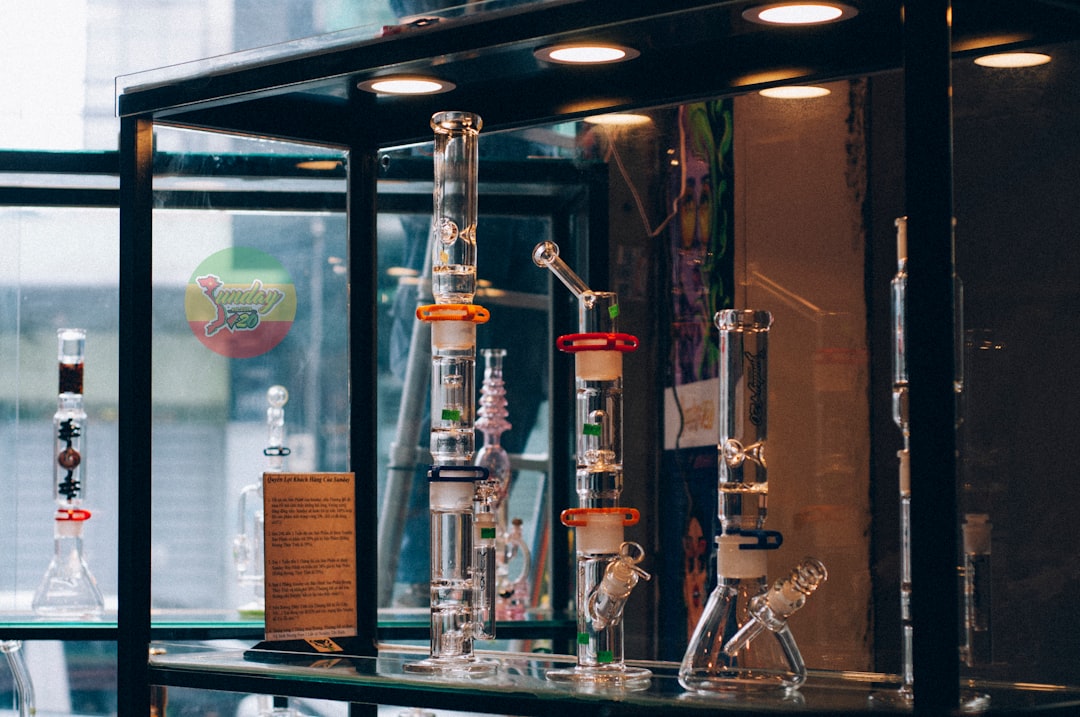
A head shop is a retail store specializing in smoking accessories, glassware, and paraphernalia primarily used for consuming tobacco, legal herbs, and—where permitted—cannabis. The product mix typically includes:
- Water pipes, bongs, and bubblers
- Hand pipes and one-hitters
- Grinders, rolling papers, and wraps
- Vaporizers and dabbing equipment
- Scales, storage containers, and odor control
- Specialty glass and artistic pieces
- CBD and hemp-derived products (where legal)
- Incense, apparel, and counterculture merchandise
The defining characteristic is the emphasis on consumption accessories rather than the consumable substances themselves—though that line has blurred considerably as cannabis legalization has expanded.
Historical Context: From Counterculture to Mainstream Retail
Head shops emerged in the United States during the 1960s counterculture movement, clustered around college towns and urban bohemian neighborhoods. The original business model centered on cannabis and psychedelic culture, offering pipes, bongs, and “stash” accessories alongside posters, records, and underground publications.
The term “head” itself derives from 1960s slang for cannabis users (“potheads”), though most operators publicly positioned their inventory as “tobacco use only” to navigate ambiguous paraphernalia laws.
The Drug Paraphernalia Era (1970s-1990s)
Federal and state drug paraphernalia statutes—most notably the Model Drug Paraphernalia Act of 1979—created legal gray zones. Many jurisdictions banned the sale of items “primarily intended” for illegal drug use, forcing retailers to adopt strict linguistic and signage protocols: no mention of cannabis or illegal substances, explicit “tobacco only” labeling, and immediate ejection of customers who violated those terms.
This dynamic shaped the industry’s operational culture for decades. Even today, veteran operators maintain these practices out of habit or genuine legal caution, particularly in states without legal cannabis programs.
The Modern Shift (2010s-Present)
Several forces have repositioned head shops from fringe retail to a normalized category:
Cannabis legalization: Adult-use programs in 24 states (as of 2024) have legitimized consumption accessories. Many dispensaries carry similar product lines, and the “tobacco only” fiction has largely dissolved in legal states.
Vape and CBD booms: The rise of e-cigarettes (2010s) and hemp-derived CBD (post-2018 Farm Bill) brought new customer demographics and revenue streams unconnected to cannabis stigma.
E-commerce normalization: Online headshop sales via Shopify, WooCommerce, and wholesale platforms have professionalized the category, with clear product photography, detailed specs, and customer reviews replacing the “ask at the counter” model.
Artisan glass movement: High-end borosilicate glassware has become collectible art, with pieces selling for thousands of dollars and attracting customers who view function as secondary to aesthetics.
Head Shop vs. Smoke Shop vs. Dispensary: Positioning Matters
While often used interchangeably, these terms carry different implications for licensing, zoning, and customer expectations.
Head Shop
Emphasizes counterculture roots and glass/paraphernalia focus. Often implies a broader “lifestyle” product mix (incense, tapestries, novelty items). Some operators avoid the term due to lingering stigma or perceived amateurism.
Smoke Shop
Broader and more neutral. Can include tobacco products (cigarettes, cigars, hookah), vape hardware and e-liquid, and accessories. Often perceived as more professional or mainstream. May face different local licensing depending on tobacco sales.
Dispensary
Licensed cannabis retailer in legal markets. Heavily regulated with seed-to-sale tracking, limited product categories, and strict zoning. Many dispensaries carry accessories but focus on cannabis flower, edibles, and concentrates.
Operational takeaway: Your naming and branding choice affects lease negotiations, payment processing approvals, and SEO/local search visibility. “Smoke shop” or “vape shop” generally encounters less friction than “head shop” with banks and commercial landlords, even if your product mix is identical.
Compliance and Legal Considerations
Paraphernalia Laws
Federal law (21 USC § 863) prohibits interstate commerce in drug paraphernalia, but enforcement is rare and typically targets large-scale distributors, not retailers. State and local laws vary widely:
- Legal cannabis states: Generally permit open sale of consumption accessories with minimal restriction.
- Medical-only states: May allow accessories but require careful marketing language.
- Prohibition states: Paraphernalia statutes may remain on the books; “tobacco use only” positioning is still standard practice.
Action item: Review your state’s paraphernalia statute and consult with a local attorney experienced in cannabis or tobacco retail. Penalties can include misdemeanor charges, product seizure, and business license revocation.
Age Verification
Most states require 18+ or 21+ age verification for paraphernalia sales. Implement point-of-sale age checks and staff training to avoid compliance violations and potential license issues.
Zoning and Licensing
Many municipalities impose zoning restrictions on head shops similar to adult businesses or tobacco retailers: minimum distances from schools, parks, or residential areas. Some require a specific business license or conditional use permit.
Action item: Before signing a lease, verify zoning compliance with your city or county planning department. A landlord’s assurance is not sufficient—get written confirmation from the jurisdiction.
Merchandising and Margin Strategy
Product Category Breakdown
Successful head shops typically allocate inventory investment across these categories:
Glass and water pipes (30-40% of inventory cost): Highest margin (typically 100-300% markup), but also highest breakage risk and theft exposure. Invest in display cases with locks and adequate insurance coverage.
Vaporizers and electronic devices (20-30%): Moderate margin (50-100%), but strong velocity and repeat customers (coils, cartridges, batteries). Brands like Puffco, Storz & Bickel, and PAX command premium pricing.
Rolling papers, wraps, and grinders (15-20%): Low per-unit margin but high turnover. Stock a range of price points from value (TOP, Zig-Zag) to premium (RAW Black, OCB).
CBD and consumables (10-15%): Highly variable by state and market maturity. Margin potential is strong (100-200%), but regulatory risk and product quality inconsistency require careful vendor vetting.
Apparel and lifestyle (5-10%): Low inventory cost, decent margin, but typically low velocity unless you cultivate a strong local brand identity.
Vendor and Stocking Tips
Buy direct when possible: Distributors like Imperial Brands, King Palm, and STM Canna offer consolidated ordering but take a margin cut. For high-volume SKUs, establish direct accounts with manufacturers.
Beware of no-name glass: Cheap import glass can contain lead or unsafe materials. Vet suppliers for lab testing and material certifications, especially for pieces with percolators or complex designs.
Leverage consignment for high-ticket art glass: Many glass artists and galleries offer consignment terms (typically 60/40 or 50/50 splits) for pieces over $500, reducing your capital exposure.
MAP pricing enforcement: Premium brands (e.g., RAW, Puffco) enforce minimum advertised pricing. Violating MAP can result in account termination, so train staff on pricing policies and monitor online listings if you sell via e-commerce.
Retail Operations Best Practices
Staffing and Training
Product knowledge is non-negotiable. Customers expect staff to explain percolator styles, vaporizer temperature settings, and cleaning methods. Invest in vendor training sessions and allocate time for hands-on product demos.
Compliance training: Every employee must understand age verification, paraphernalia language protocols (if applicable in your state), and when to refuse a sale.
Theft prevention: Glass and small accessories are high-theft categories. Use lockable displays, mirror placement, and staff positioning to maintain sightlines.
Point-of-Sale Considerations
Standard payment processing can be difficult for head shops, especially those also selling CBD or hemp products. Many operators face:
- Account closures or holds from Square, Stripe, or PayPal
- High-risk merchant account fees (3-5%+ per transaction)
- Cash-only operations due to banking challenges
Action item: Work with merchant service providers experienced in tobacco, CBD, or cannabis-adjacent retail (examples: Treez Pay, Aeropay, or traditional high-risk processors). Maintain a cash management protocol if you operate cash-heavy.
E-Commerce and Omnichannel
Head shop e-commerce has matured significantly. Platforms like Shopify and WooCommerce permit paraphernalia sales with appropriate terms-of-service compliance (age gates, restricted shipping states).
Key tactics:
- Implement age verification at checkout (services like AgeChecker.Net or Veratad).
- Restrict shipping to states where your product categories are clearly legal.
- Invest in product photography and detailed descriptions—glassware especially benefits from multiple angles and dimension specs.
- Optimize for “near me” local search if you offer in-store pickup; Google Business Profile management is essential.
Market Trends to Watch
Consolidation and Professionalization
Regional chains and private equity-backed operators are entering the space, acquiring independent head shops and standardizing operations. This raises the bar for inventory management, branding, and customer experience.
Cannabis Normalization Impact
As cannabis becomes federally rescheduled or descheduled, expect further mainstreaming of accessories. This could ease payment processing and banking but may also increase competition from big-box retailers and Amazon.
Premium and Artisan Growth
Collectors and connoisseurs drive demand for high-end American-made glass, limited-edition collaborations, and functional art. Cultivating relationships with glass artists and hosting gallery events can differentiate your store and command higher margins.
Harm Reduction and Product Safety
Customers increasingly ask about material safety (borosilicate vs. soft glass, lead-free metals, food-grade silicone). Transparent sourcing and lab testing documentation can become a competitive advantage.
Actionable Takeaways
For new operators:
- Clarify your state and local paraphernalia laws before signing a lease or placing inventory orders.
- Choose your branding (“head shop” vs. “smoke shop”) based on your market’s regulatory climate and target customer.
- Establish accounts with 3-5 distributors to compare pricing, shipping speed, and product range.
- Secure a payment processor experienced in high-risk retail before opening.
For existing operators:
- Audit your inventory turnover by category; slow-moving glass and lifestyle items tie up capital.
- Revisit your vendor contracts to negotiate better terms or explore direct relationships with manufacturers.
- If you’re cash-only, explore compliant payment solutions to capture card-preferring customers.
- Invest in staff product training and create standardized demos for complex items (vaporizers, e-rigs).
Frequently Asked Questions
What’s the difference between a head shop and a smoke shop?
A head shop traditionally emphasizes cannabis and counterculture accessories, while a smoke shop is a broader term that can include tobacco, cigars, hookah, and vape products. In practice, most retailers carry overlapping inventory, and the distinction is more about branding and local perception than product mix.
Do I need a special license to operate a head shop?
Licensing requirements vary by state and municipality. Some jurisdictions require a general business license, others a tobacco or specialty retailer permit, and some impose conditional use permits or zoning restrictions. Always check with your local city or county business licensing office before opening.
Can I sell CBD products in my head shop?
Hemp-derived CBD products containing less than 0.3% THC are federally legal under the 2018 Farm Bill, but some states have imposed additional restrictions or bans. Verify your state’s CBD regulations and ensure your vendors provide certificates of analysis (COAs) showing compliant cannabinoid levels.
How do I avoid breaking drug paraphernalia laws?
In states without legal cannabis, many retailers adopt “tobacco use only” policies: signage indicating products are for legal use, staff training to avoid discussing illegal substances, and refusal to serve customers who mention cannabis or other drugs. Consult a local attorney for guidance specific to your jurisdiction.
What are typical profit margins on head shop products?
Margins vary by category: glass and water pipes typically see 100-300% markup, vaporizers and electronics 50-100%, rolling papers and small accessories 50-150%, and CBD products 100-200%. Actual profitability depends on turnover velocity, shrinkage, and operating costs.