Why This Matters
Customer acquisition costs are climbing while foot traffic patterns shift post-pandemic. A well-structured VIP or loyalty program isn’t just a nice-to-have anymore—it’s table stakes for smoke shops competing against online retailers, CBD chains, and convenience stores muscling into tobacco accessories. Operators report that top-tier loyalty members spend 40-60% more per visit and shop 2-3x more frequently than non-members. The margins on repeat business speak for themselves.
The VIP Smoke Shop Model: What Actually Works
The term “VIP smoke shop” typically refers to retail operations that layer membership perks, tiered rewards, and exclusive access onto their standard retail model. Unlike punch cards or basic points systems, effective VIP programs segment customers by spend level and create escalating incentives that encourage both frequency and basket size.
Three-Tier Structure
Most successful smoke shop loyalty programs use three tiers:
Bronze/Silver (Entry Level)
- Automatic enrollment at first purchase or email/SMS signup
- 1-2% cashback or points on purchases
- Birthday discount (typically 10-15%)
- Early access to sale announcements
Gold/Platinum (Mid-Tier)
- Unlocked at $300-500 annual spend
- 3-5% rewards rate
- Quarterly “member’s choice” discounts on premium products
- Priority access to limited inventory (designer glass, collaboration drops)
VIP/Diamond (Top Tier)
- $1,000-1,500+ annual spend threshold
- 5-7% rewards rate
- Exclusive shopping events or after-hours access
- Free or discounted cleaning supplies, replacement parts
- First right of refusal on consignment pieces or estate collections
The key is making each tier feel attainable while creating meaningful separation between levels. A customer sitting at $450 annual spend will push to Gold if the threshold is $500 and the benefits justify the extra $50.
Digital vs. Physical Cards
You’ll need to decide whether your VIP program lives in your POS system, a standalone app, or uses physical cards.
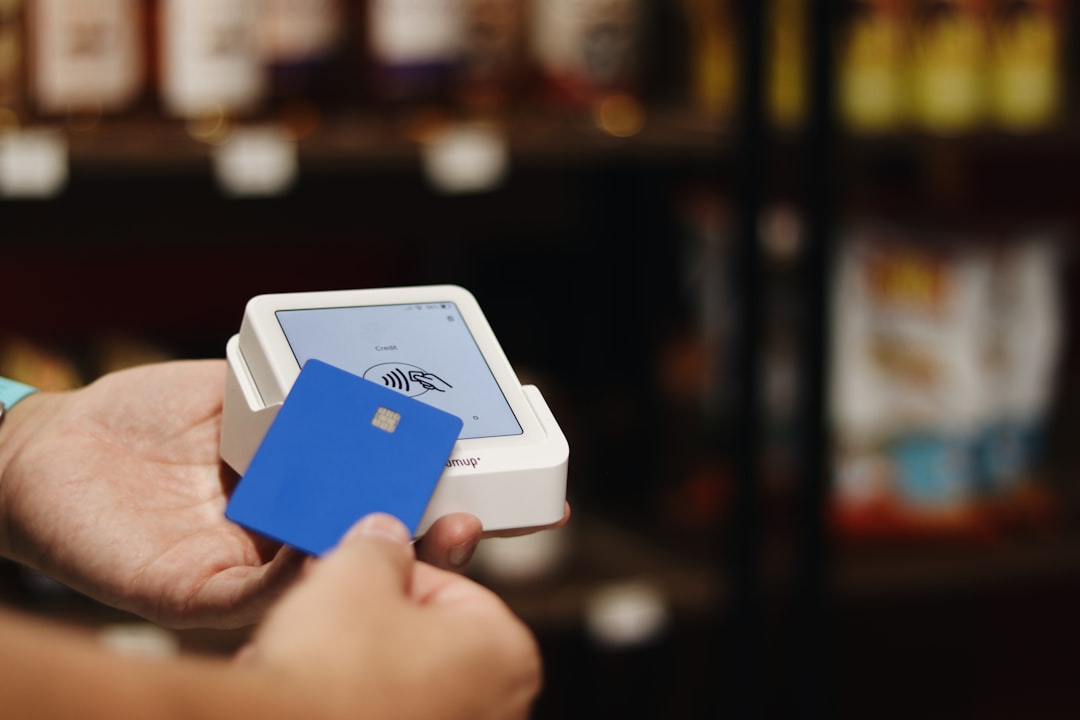
POS-integrated programs (available in most modern smoke shop POS platforms like Cova, Flowhub-adjacent systems, or Lightspeed) automatically track spend and tier status. They’re frictionless for staff but require customers to provide phone number or email at checkout.
Physical VIP cards still work well in markets with older demographics or customers wary of data collection. Downsides: easier to forget, harder to track analytics, and require manual tracking or barcode scanning.
Branded mobile apps offer the most features (push notifications, gamification, product catalogs) but have low adoption unless you’re running multiple locations or doing serious volume. Most single-location operators find the development and maintenance costs don’t justify the uptake.
Compliance and Age-Gating Considerations
VIP programs introduce compliance wrinkles that generic retail loyalty models don’t face:
Age verification at enrollment. Every jurisdiction with tobacco or cannabis accessory regulations requires age verification at point of sale. Your loyalty program cannot bypass this. If customers enroll online or via app, you must verify age before activating rewards—and document that verification. Most operators handle this by requiring in-store enrollment with ID check, then allowing online account management.
Data retention and privacy. Depending on your state, customer purchase data for tobacco accessories may be subject to specific retention or deletion rules. California, Nevada, and Illinois have stricter requirements. Consult your attorney before storing purchase history tied to customer identity for longer than your POS provider’s standard retention window.
Restrictions on discounting certain products. Some states prohibit or restrict discounts on tobacco products, including cigars, rolling papers, or pipes depending on how the law defines “tobacco product.” Structure your VIP rewards to apply to unrestricted categories (glassware, apparel, accessories, CBD where legal) or use flat-dollar rewards instead of percentage discounts to maintain flexibility. Confirm with your state tobacco regulator or local business attorney—this is one of the most commonly violated rules in loyalty promotions.
Stocking and Margin Strategy for VIP Members
A VIP program changes your buying calculus. You’re no longer just stocking for walk-in traffic—you’re curating for a known audience with trackable preferences.
Exclusive or Limited SKUs
Reserve 10-15% of your premium inventory for VIP early access or exclusivity. This works especially well with:
- Hand-blown glass from known artists. VIPs get first look before pieces hit the floor.
- Collaboration drops (brand x artist limited runs). Create FOMO and reward top spenders.
- Higher-end vaporizers or e-rig bundles. Market these with member-only pricing that still delivers you 30-35% margin.
This approach turns inventory risk (expensive pieces that sit) into loyalty drivers (exclusive access that converts).
Margin Trade-Offs
If you’re offering 5-7% cashback at top VIP tiers, that’s coming directly out of margin unless you adjust your pricing strategy. Two approaches:
-
Absorb the cost on high-turn, commodity items (lighters, papers, basic glass) where the volume from repeat visits more than compensates.
-
Raise base pricing slightly (2-3%) across the store and position VIP discounts as bringing members back to “true” price. This only works if you’re not in a price-sensitive market or competing directly with big-box on commodity SKUs.
Most operators find a blended approach works: tighter margins on loss-leaders and everyday items, healthier margins on glass, vape hardware, and CBD where brand loyalty and education matter more than price.
Operational Tactics That Drive Enrollment and Engagement
A VIP program is only valuable if customers know about it and use it. Here’s what works at the counter:
Train staff to ask every transaction. Make enrollment part of the checkout script. “Are you part of our VIP program? It’s free, and you’ll earn points on today’s purchase.” Conversion rates jump when it’s positioned as leaving money on the table not to join.
Visible tier signage. Print simple explainers at the register showing what each tier unlocks. Customers who see they’re $80 away from the next level will add items to get there.
SMS/email triggers. Automate messages when customers are close to tier thresholds (“You’re $45 from Gold status—visit this week and unlock 5% rewards”). Open rates on tier-proximity messages run 25-40%, well above generic promotional blasts.
Birthday and anniversary outreach. These are the highest-converting messages you’ll send. A “Happy Birthday—here’s 20% off” text brings people back even if they haven’t visited in months.
Quarterly member-only events. Host a Sunday morning “VIP shop hour” with coffee, demos of new products, and member-only pricing. This builds community and creates social proof that the program has real value.
What to Watch: Trends Shaping VIP Smoke Shop Programs
Subscription hybrid models. Some operators are testing $10-15/month VIP subscriptions that include a monthly consumable (papers, tips, incense) plus steeper discounts. Early results are mixed—works best in dense urban markets with younger demographics.
Crypto and NFT loyalty experiments. A handful of multi-location shops tested blockchain-based loyalty points in 2022-23. Most have quietly wound these down due to complexity and customer confusion, but watch this space if stablecoin adoption accelerates.
Cross-promotion with CBD and cannabis retail. In states with legal adult-use cannabis, smoke shops are partnering with dispensaries on shared loyalty programs. Regulatory barriers are significant, but the customer overlap is obvious. Expect more experimentation here as markets mature.
Integration with cashless ATMs and payment processing. Some POS providers are bundling loyalty tracking with cashless ATM transactions, allowing you to track spend and issue rewards even on cash-equivalent purchases. This solves a pain point for operators in states where card processing for certain products remains difficult.
Actionable Takeaways
-
Start simple. A three-tier program with automatic enrollment and POS integration will outperform a complex app-based system with low adoption.
-
Audit compliance before launch. Verify with your state regulator or attorney that your reward structure doesn’t violate tobacco discount restrictions or age-verification rules.
-
Reserve premium inventory for VIP access. Exclusive early access to limited glass or collab drops costs you nothing and creates strong differentiation.
-
Make tier thresholds visible and attainable. Customers need to see the path to the next level and believe the benefits justify the spend.
-
Train staff to enroll at every transaction. Your best salespeople are at the register—equip them with talking points and make enrollment part of the checkout flow.
-
Use automated SMS/email to drive visits. Tier-proximity messages, birthday offers, and new-product alerts to VIPs consistently outperform batch-and-blast promotions.
FAQ
What’s a realistic annual spend threshold for top-tier VIP status?
Most smoke shops set their highest tier at $1,000-1,500 annual spend. This typically represents the top 5-10% of your customer base—high enough to feel exclusive, low enough that regular enthusiasts can reach it. Adjust based on your average transaction size and market. A shop averaging $45 per transaction might set the bar at $1,200; a premium glass gallery averaging $120 per transaction might push it to $2,000.
Do VIP programs actually increase revenue or just shift spending from non-members?
When structured correctly, they do both—and that’s fine. You’ll see some cannibalization (customers who would have paid full price now get discounts), but basket size and visit frequency increases among members more than offset this. Operators typically report 8-15% revenue increases in the first year after launching a tiered program, driven primarily by increased visit frequency among mid-tier members.
How do I handle VIP discounts if my state restricts tobacco product promotions?
Structure rewards as flat-dollar credits rather than percentage discounts, and exclude restricted products from promotions. For example, offer “$10 VIP credit on your next purchase” instead of “10% off” and program your POS to exclude tobacco-defined products from credit redemption. Alternatively, limit rewards to categories your state doesn’t regulate—glassware, apparel, CBD, vape hardware (depending on local definitions). Consult your state tobacco control office or attorney before launching.
Should I charge a membership fee for VIP status?
Most smoke shops use free enrollment with spend-based tiers rather than upfront fees. Paid memberships ($25-50/year) can work if you’re in a dense market with high foot traffic and offer compelling monthly benefits (free cleaning supplies, consumables, deep discounts). But adoption rates are typically 60-70% lower than free programs. Test it as an optional “VIP+” add-on for your highest spenders rather than your primary loyalty vehicle.
Can I run a VIP program without a modern POS system?
Yes, but it’s significantly more labor-intensive. You’ll need physical cards, manual tracking (spreadsheet or card-scan log), and disciplined staff execution. This works for very small operations (single owner-operator, under 20 transactions/day) but becomes unmanageable as you scale. If you’re doing 50+ transactions daily, the time cost of manual tracking will quickly exceed the cost of a basic POS system with integrated loyalty features.