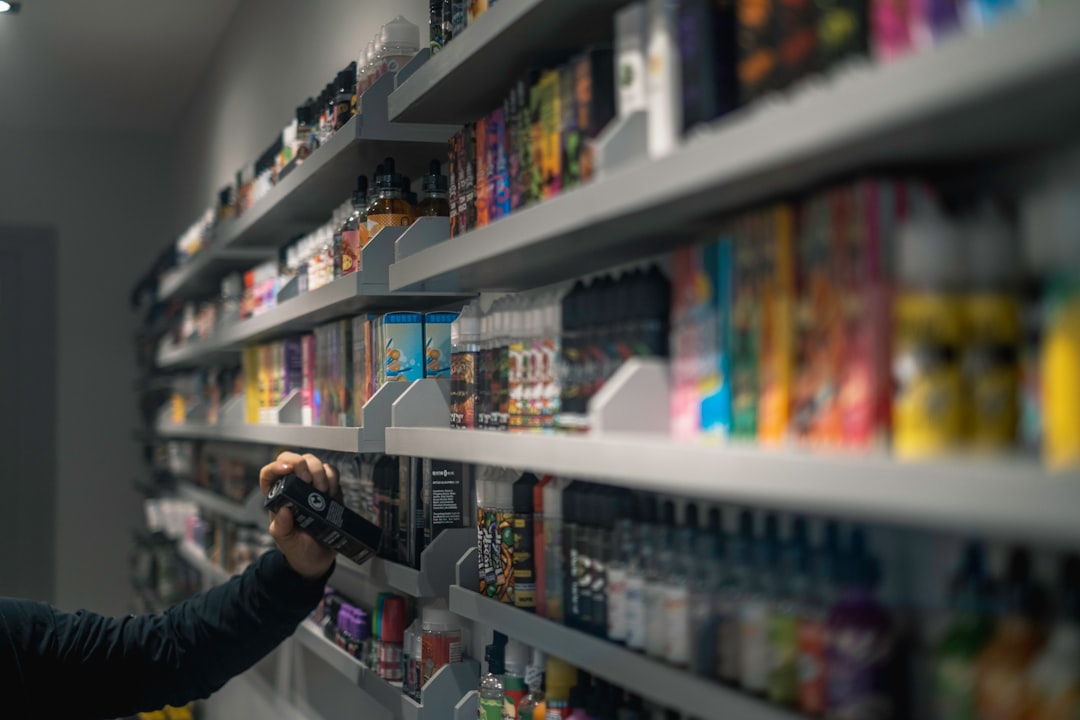
Why This Matters
Velo nicotine pouches represent one of the most predictable revenue streams in smoke shop retail right now. The category is growing faster than combustible tobacco, margins are solid, and the compliance framework is clearer than most alternative products. If you’re still treating nicotine pouches as an impulse add-on instead of a planned category, you’re leaving money on the table.
Velo—owned by British American Tobacco (BAT)—is the second-largest nicotine pouch brand in the U.S. after ZYN. The brand offers consistent product availability, strong consumer recognition, and a range of strengths and flavors that let you serve both switchers from tobacco and existing pouch users. For shop owners, that translates to lower carrying risk and faster turns compared to niche or regional brands.
This guide covers what you need to know: compliance basics, SKU selection, margin expectations, merchandising strategies, and how Velo fits into your broader nicotine product mix.
Regulatory and Compliance Overview
Nicotine pouches are tobacco-free products, but they’re regulated by the FDA under the Federal Food, Drug, and Cosmetic Act. As of 2024, the FDA requires premarket tobacco product applications (PMTAs) for any new nicotine pouch product. Velo’s existing SKUs were on the market prior to the August 8, 2016 predicate date or have received marketing granted orders (MGOs) where applicable.
What this means for retailers:
- You can legally sell Velo pouches in all 50 states, but you must comply with state and local age-verification laws (21+ federally, some states have additional requirements).
- Flavor bans targeting menthol cigarettes do not currently apply to nicotine pouches at the federal level, though some jurisdictions (California, Massachusetts municipalities) have enacted local restrictions on flavored nicotine products that may include pouches.
- Display and advertising restrictions vary by state. Some states treat nicotine pouches like tobacco products for marketing purposes; others do not. Check your state’s tobacco retail licensing requirements.
Velo pouches are not subject to the November 2026 federal hemp deadline—they contain synthetic nicotine or tobacco-derived nicotine, not cannabinoids. They’re a stable, compliant category in an environment where intoxicating hemp products are facing elimination.
Key compliance action items:
- Verify your state’s flavor restrictions. If you operate in California or Massachusetts, cross-check local ordinances.
- Keep age verification consistent: 21+ ID check at POS, no exceptions.
- Store pouches behind the counter or in age-gated areas if required by local law (common in states with tobacco retail display restrictions).
Want to check regulations for your specific location? Use our free Product Intel tool—enter your state and county for a report in 30 seconds.
Understanding the Velo Product Line
Velo offers a tiered nicotine strength system and a rotating flavor lineup. As of mid-2026, the brand organizes products into three strength levels and roughly a dozen active SKUs in the U.S. market.
Strength Tiers
- Velo 2 mg: Entry-level strength, marketed to new users or light nicotine consumers.
- Velo 4 mg: Mid-range, the most popular tier for existing pouch users.
- Velo 6 mg: Higher strength for heavy users or those transitioning from traditional tobacco.
Some SKUs use a “Mini” format (smaller pouch size, same nicotine content per pouch). Format matters for customer preference—some users prefer discreetness; others want a fuller lip feel.
Flavor Portfolio
Velo rotates flavors based on regional performance, but expect to see these core offerings:
- Mint / Peppermint / Spearmint variants
- Citrus / Orange
- Berry / Dragon Fruit
- Wintergreen
- Coffee / Cinnamon (limited availability)
Mint and wintergreen dominate sales in most markets. If you’re stocking a limited set, prioritize Velo Freeze (mint, 4 mg) and Velo Wintergreen (4 mg)—these are the workhorses.
Packaging and Case Counts
Velo sells in 5-can rolls (sometimes listed as “sleeves”) and full cases. Standard retail pricing sits around $4.99–$6.99 per can depending on your market. Wholesale cost typically runs $2.50–$3.50 per can when buying by the case, giving you a 40–50% margin before discounts.
Stocking Strategy: SKU Count and Mix
You don’t need to carry the entire Velo catalog. Most shops perform best with 6–9 SKUs: two flavors across three strengths, or three flavors in two strengths.
Starter Set (6 SKUs)
If you’re new to nicotine pouches or have limited space:
- Velo Freeze 2 mg
- Velo Freeze 4 mg
- Velo Freeze 6 mg
- Velo Wintergreen 2 mg
- Velo Wintergreen 4 mg
- Velo Wintergreen 6 mg
This covers your mint and wintergreen bases across all strength levels. Stock 1–2 cases of the 4 mg variants, half a case each of the 2 mg and 6 mg to start.
Expanded Set (9 SKUs)
Add a third flavor for variety and to capture customers who dislike mint:
- Velo Citrus Burst 4 mg
- Velo Dragon Fruit 4 mg
- Velo Wintergreen 4 mg (Mini format)
Citrus and fruit flavors appeal to younger adults and switchers from vape. The Mini format gives you a differentiation point for customers who want a lower-profile pouch.
Avoid Overstocking Niche Flavors
Limited-edition or seasonal flavors (coffee, cinnamon, tropical) move slower unless you have a customer who specifically requests them. Don’t dedicate shelf space to more than one or two experimental SKUs at a time.
Margin and Pricing Tactics
Nicotine pouches deliver better margins than cigarettes and comparable margins to premium cigars, with faster turns.
Typical economics (per can):
- Wholesale cost: $2.75
- Retail price: $5.49
- Gross margin: $2.74 (50%)
Compare that to a pack of Marlboro (15–20% margin in most states) or a disposable vape (30–40%). Pouches also don’t face the same inventory risk as vapes (no hardware failure, longer shelf life).
Promotional Pricing
Many distributors offer introductory pricing or volume discounts on Velo. Take advantage of these to test the category, but don’t race to the bottom on retail pricing. Pouch customers are less price-sensitive than cigarette buyers—they’re paying for convenience, discretion, and flavor variety.
Tactics that work:
- Multi-can discounts: “3 for $15” or “Buy 2, Get 1 50% Off”
- Loyalty punch cards: Buy 5 cans, get the 6th free
- Bundling with other nicotine products: Pair with a disposable vape or rolling papers at checkout
Avoid blanket discounting. If your competitor is selling Velo at $4.49, you don’t need to match—focus on convenience, selection, and service instead.
Merchandising and Display Best Practices
Nicotine pouches are an impulse and convenience purchase. Visibility and accessibility drive sales.
Counter Placement
Keep Velo at or near the register. Pouches perform best as a grab-and-go item during checkout. Use a small countertop rack or a dedicated section of your tobacco back bar.
If your state allows open display, use a branded Velo rack (your distributor may provide one). If you’re required to keep tobacco products behind the counter, make sure your staff can easily point out the selection when asked.
Signage and Education
Most pouch buyers know what they want, but you’ll get questions from switchers. Train your staff on the basics:
- “Tobacco-free, spit-free nicotine pouch—just place it between your lip and gum.”
- “Velo 2 mg is light, 4 mg is medium, 6 mg is strong.”
- “Freeze is a cooling mint; Wintergreen is a classic American flavor.”
Use shelf talkers or small signs to indicate strength levels. Color-coding helps: Velo uses different can colors for each strength tier.
Cross-Merchandising
Place Velo next to or near:
- Disposable vapes (similar customer profile)
- Rolling papers and cigarillos (traditional tobacco users exploring alternatives)
- Energy drinks and functional beverages (nicotine + caffeine pairing)
Don’t bury pouches in the back or treat them as a specialty item. They’re a mainstream nicotine product now.
Competitive Positioning: Velo vs. ZYN and On!
ZYN is the market leader. It has better brand recognition and typically moves faster. But ZYN also faces supply shortages in some regions, and retailers report that distributor allocation can be inconsistent.
Velo is the reliable #2. It offers comparable quality, strong flavor options, and better availability in many markets. If you can’t get ZYN or your distributor limits your order quantity, Velo is the natural substitute. Many customers use both brands interchangeably.
On! PLUS is a distant third. It uses a smaller pouch format and lower price point, which appeals to budget-conscious users. Stock it if you have space and want to cover the value segment, but Velo and ZYN are your primary drivers.
Strategic approach:
- Stock ZYN if available, prioritize best-selling flavors (Wintergreen, Peppermint, Cool Mint).
- Use Velo to fill gaps in strength or flavor that ZYN doesn’t cover, or to ensure you never run out of pouches.
- Add On! PLUS only if you have a price-sensitive customer base or shelf space to spare.
What to Watch: Category Trends and Risks
Growth Trajectory
Nicotine pouch sales in the U.S. grew approximately 80% year-over-year in 2024 and 2025, driven by increased awareness, tobacco user migration, and expanding retail distribution. Expect continued double-digit growth through 2027, but the pace will slow as the category matures.
Regulatory Risks
The FDA has signaled interest in flavor restrictions for all nicotine products, including pouches. If federal flavor rules are enacted (similar to the EU’s menthol cigarette ban), mint and wintergreen Velo products could be restricted. This is not imminent, but it’s a watch item for 2027 and beyond.
Some states (notably California) are expanding flavor bans to cover all flavored tobacco and nicotine products. If you operate in a state with active flavor legislation, monitor local advocacy groups and retailer associations.
Counterfeit and Gray-Market Products
As pouch demand grows, counterfeit Velo cans have appeared in some markets. Buy only from authorized distributors. If a deal looks too good (e.g., below $2 per can wholesale), it’s likely gray-market or expired stock.
Consumer Preference Shifts
Mint fatigue is real. Some long-term pouch users are moving toward fruit and citrus flavors. Keep an eye on your sell-through data and adjust your flavor mix quarterly.
Actionable Takeaways
- Start with 6–9 SKUs: Two flavors (Mint and Wintergreen) across three strengths.
- Stock 1–2 cases of 4 mg variants: They’re your volume drivers.
- Place pouches at or near the register: Impulse visibility matters.
- Maintain 21+ age verification: Compliance is non-negotiable.
- Use multi-can promotions, not blanket discounts: Pouch customers value convenience over price.
- Train staff on strength tiers and flavor profiles: A 15-second explanation converts browsers into buyers.
- Monitor local flavor regulations: California and Massachusetts retailers need to stay current.
- Buy from authorized distributors only: Avoid counterfeit and gray-market risk.
Frequently Asked Questions
Do I need a tobacco license to sell Velo nicotine pouches?
It depends on your state. Some states classify nicotine pouches as tobacco products for licensing purposes, even though they contain no tobacco leaf. Check with your state’s tobacco control or revenue department. In most cases, if you already hold a tobacco retail license for cigarettes or cigars, you’re covered.
How long is the shelf life for Velo pouches?
Unopened Velo cans have a shelf life of approximately 12–18 months from the production date. Store in a cool, dry place. Pouches do not require refrigeration, but avoid prolonged exposure to heat or direct sunlight, which can degrade flavor and nicotine potency.
Can I sell Velo pouches online or for delivery?
Yes, but you must comply with your state’s age verification and shipping laws for nicotine products. Some states prohibit or heavily regulate online sales of tobacco and nicotine products. If you offer delivery, use an age-verified delivery service and keep records of ID checks.
What’s the return policy if a flavor doesn’t sell?
Most distributors do not accept returns on nicotine pouches due to FDA regulations and product integrity concerns. Test new flavors with small quantities (half a case or less) before committing to full-case orders. Focus on proven sellers until you have data on your customer preferences.
Is Velo better than ZYN, or should I stock both?
Stock both if you can. ZYN has stronger brand recognition, but Velo is a close second in quality and often has better distributor availability. Customers who use pouches regularly tend to have a preferred brand, and carrying both maximizes your sales potential. If you’re limited on space or capital, start with ZYN’s top two flavors and Velo’s top two flavors in 4 mg strength.