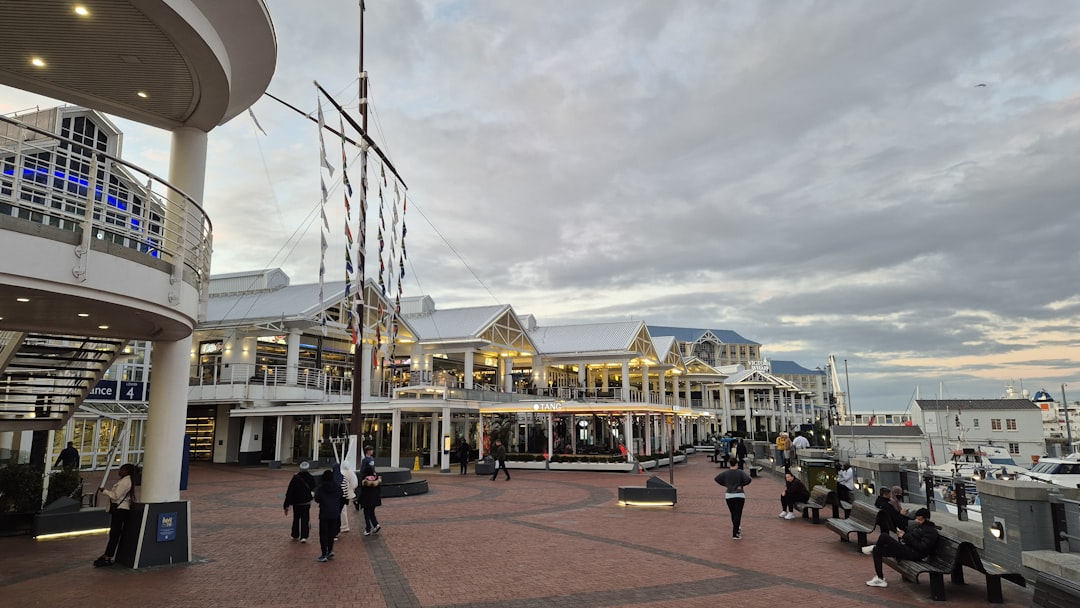
TL;DR: The phrase “the smoke shop bbq seaport” generates over 8,100 searches per month with very low competition. This unusual query combines three retail concepts—smoke shops, barbecue, and seaport locations—that converge in certain high-traffic coastal markets. For operators, it represents a case study in local search behavior, cross-category consumer interest, and the emerging trend of lifestyle retail hubs where smoke shops operate alongside food and entertainment venues. Understanding this search pattern can inform site selection, marketing strategy, and product mix decisions.
Why This Search Matters to Operators
Most smoke shop operators focus on product categories, compliance, and margin optimization. But search behavior reveals how customers actually think about and discover your store.
The “smoke shop bbq seaport” query bundle is unusual because it:
- Combines three distinct retail categories in one search
- Concentrates in coastal urban markets with mixed-use development
- Signals customers looking for a destination experience, not just transactional retail
- Shows nearly 10x the search volume of typical local smoke shop queries
This isn’t about one specific store. It’s about understanding a customer behavior pattern that applies to any smoke shop in a tourism-heavy, food-adjacent, or waterfront district.
The Geography of the Search
The query appears strongest in markets with active seaport or waterfront districts that combine retail, dining, and entertainment. Boston’s Seaport District is a prime example, but similar patterns appear in:
- Baltimore Inner Harbor
- San Francisco Embarcadero
- Miami Bayside
- Seattle Waterfront
- San Diego Gaslamp / Harbor areas
- New York South Street Seaport
These are high-foot-traffic zones where smoke shops compete not just with other smoke shops, but with the entire retail and entertainment ecosystem. Customers are often tourists, convention attendees, or locals treating the area as a destination.
What that means for operators: If you’re in or near one of these districts, your product mix, hours, and customer service model need to account for a very different customer than a neighborhood or strip-mall location.
What Customers Are Actually Looking For
Search intent analysis suggests several overlapping customer needs:
1. Proximity convenience. Someone eating at a BBQ spot in a seaport district realizes they need papers, a disposable vape, or a lighter. They search for “smoke shop” + the area they’re already in.
2. Pre-planned visit clustering. Tourists and locals planning an outing search for multiple categories at once to map their day. They want to know what’s available in the area before they go.
3. Lifestyle-category crossover. Customers interested in craft BBQ, breweries, and waterfront dining often overlap with the smoke shop customer base. This isn’t accidental—it’s demographic and psychographic alignment.
4. Local business discovery. Google interprets these compound searches as local intent and surfaces Maps results. If your GMB profile and local SEO aren’t dialed in, you’re invisible.
Capturing the Traffic
If your shop operates in or near a seaport, waterfront, or entertainment district—especially one with prominent food and beverage anchors—here’s how to position for this type of search:
- Optimize your Google Business Profile with location-specific keywords. Include neighborhood names (e.g., “Seaport,” “Inner Harbor”) in your business description.
- Build location pages on your website that reference nearby landmarks, restaurants, and attractions. “Conveniently located two blocks from [Landmark BBQ]” is SEO gold.
- Cross-promote with adjacent businesses. If there’s a popular BBQ joint or brewery nearby, explore co-marketing: flyers in their restroom, joint social posts, or QR codes on receipts.
- Stock for the occasion. High-traffic tourism districts perform best with grab-and-go convenience items, premium pre-rolls, disposable vapes, travel-sized accessories, and novelty items that appeal to impulse buyers.
Product Mix Considerations for High-Traffic Districts
Waterfront and destination retail zones have different sales velocity and margin profiles than neighborhood shops.
What Moves Fast
- Disposable vapes and nicotine pouches. Tourists and event-goers want no-fuss, no-equipment options. Stock deep on popular brands like Elf Bar, Lost Mary, and nicotine pouch brands like ZYN and on! PLUS.
- Single-serve and small-pack rolling papers. Customers often don’t want to commit to a 50-pack. Stock single booklets and 1-1/4 size options.
- Lighters and torches. High loss and high turns. Tourists forget lighters at home or in hotel rooms. Impulse add-ons at checkout.
- Premium glass and novelty items. Destination shoppers browse. Stock eye-catching, mid-priced glass ($30–$80 range) and local-themed pieces.
- CBD and kava beverages. Perfect for the customer who’s been drinking and eating and wants a chill supplement for the walk back to the hotel. Kava shots and CBD seltzers are easy impulse buys.
What to Keep Lean
- Bulk kratom powder. Unless your market has a strong kratom culture, tourists aren’t buying 250g bags. Keep capsules and shots instead for grab-and-go.
- High-ticket glass and rigs. Destination traffic isn’t rig-shopping unless you’re in a cannabis-legal state with a collector culture.
- Hookahs and shisha. Space-intensive, low turn in tourist zones. Better suited to neighborhood shops with repeat customers.
Want to check regulations for your specific location? Use our free Product Intel tool — enter your state and county for a report in 30 seconds. This is especially important if you’re stocking kratom, kava, THCA, or cannabinoid products, where state and local rules vary widely.
Compliance and Category Risks in Coastal Markets
High-traffic, high-visibility retail zones tend to attract more regulatory scrutiny. Seaport districts are often part of redevelopment zones with active business improvement districts, heightened law enforcement presence, and community oversight.
Key Compliance Considerations
Age verification at scale. When you’re doing 200+ transactions a day with tourists and one-time customers, ID checks become operationally critical. Train staff on out-of-state IDs and use electronic verification if your POS supports it.
Kratom and kava legality. Several states have full or partial kratom bans, and the legal landscape is shifting rapidly:
- Full bans: Alabama, Arkansas, Connecticut, Indiana, Kansas (effective July 2026), Louisiana, Michigan, Vermont, Wisconsin.
- California has a de facto commercial ban via CDPH administrative action (October 2025)—not legislative, but sales are effectively prohibited.
- Rhode Island reversed its ban effective April 1, 2026 under the Kratom Consumer Protection Act (KCPA).
- Florida banned concentrated 7-hydroxymitragynine (7-OH) products via emergency rule in August 2025.
- KCPA states (18 states as of mid-2026) regulate kratom via age verification, labeling, lab testing, and bans on adulterated/synthetic products. Arizona, Oklahoma, Colorado, Texas, and Utah cap 7-OH concentration at 2% of total alkaloid content.
Kava is federally legal and not a controlled substance. It’s a separate plant (Piper methysticum) with no current state bans. Kava is a strong category for shops in tourism zones—it appeals to a wellness-oriented customer who may not be a traditional smoke shop buyer.
Hemp and cannabinoid products. If you stock THCA flower, delta-8, HHC, or other hemp-derived cannabinoids, November 12, 2026 is the federal deadline you need to plan for. Public Law 119-37 redefines hemp to include total THC (THCA + delta-8 + all analogs) with a container cap of 0.4 mg total THC per finished product. This effectively eliminates virtually all intoxicating hemp products. Start planning your replacement categories now.
Vape flavor and nicotine restrictions. Seaport districts in states like Massachusetts, California, New York, and Rhode Island have state or local flavor bans. Verify what you can stock before ordering.
What to Stock Instead
If your state restricts or bans kratom, THCA, or certain vape products, these categories perform well in high-traffic tourism zones:
- Kava beverages, shots, and capsules — legal, wellness-positioned, easy impulse buys
- Nicotine pouches (ZYN, on! PLUS) — discreet, TSA-friendly, strong repeat purchase behavior
- Functional mushroom products — lion’s mane, cordyceps, reishi in gummy or capsule form
- Natural palm leaf wraps (King Palm and others) — tobacco-free, appeals to health-conscious segment
- CBD isolate products — lower regulatory risk than full-spectrum or hemp-derived cannabinoids
- Herbal smoking blends — mullein, damiana, blue lotus as tobacco alternatives
Operational Tips for Destination Retail
Running a shop in a high-traffic district is operationally different from a neighborhood store.
Extend your hours. Seaport and entertainment districts have evening and weekend peaks. If you close at 7 p.m., you’re missing prime traffic.
Hire for customer service, not just compliance. Tourists ask questions. They need recommendations. Staff who can upsell and educate will outperform transactional cashiers.
Accept cards and mobile payments. Cash-only is a deal-breaker for travelers and convention attendees. Invest in reliable payment processing.
Merchandising matters. Window displays, endcaps, and impulse zones near the register drive revenue in browse-heavy environments. Rotate your displays monthly.
Track your peak days. Convention calendars, cruise ship arrivals, sporting events, and festivals drive huge swings in traffic. Stock heavy before known peaks.
What to Watch
- State-level kratom bills in 2026 and 2027. Expect more states to adopt KCPA-style frameworks or outright bans. If you’re in a seaport district in a state without clear kratom law, stay close to your trade association and state regulator.
- The November 12, 2026 federal hemp deadline. This will force the entire industry to pivot away from intoxicating hemp. Plan your replacement categories now and communicate with your distributor.
- Local zoning and business improvement district rules. Seaport districts often have overlay zoning, sign restrictions, and operating agreements that go beyond standard city code. Review your lease and BID rules.
- Cross-category retail trends. Smoke shops co-locating with coffee, kava bars, CBD wellness concepts, and lifestyle retail is growing. If you’re in a destination district, consider whether a hybrid model makes sense.
FAQ
What does “the smoke shop bbq seaport” search actually mean?
It’s a compound search query combining three concepts: smoke shops, barbecue restaurants, and seaport/waterfront districts. Most searchers are looking for smoke shop locations near food and entertainment hubs in coastal urban areas. It reflects how customers think about planning outings and discovering local businesses.
Should I open a smoke shop in a seaport or waterfront district?
It depends on lease costs, competition, and foot traffic patterns. Seaport locations have high visibility and tourist traffic but also higher rent, more regulation, and different customer behavior than neighborhood shops. Success requires a product mix and service model optimized for grab-and-go, impulse purchases, and one-time customers.
What’s the best product mix for a high-traffic tourism zone?
Focus on disposable vapes, nicotine pouches, single-serve papers, lighters, mid-priced glass, CBD and kava beverages, and novelty items. Keep bulk products and high-ticket items lean unless your market has a strong local collector or enthusiast base.
Is kratom legal to sell in seaport districts?
It depends on your state. As of mid-2026, nine states have full kratom bans, California has a de facto commercial ban, and 18 states regulate kratom under KCPA frameworks. Rhode Island reversed its ban in April 2026. Florida banned concentrated 7-OH products in August 2025. Always verify current state law before stocking—use a regulation research tool or consult your state health or agriculture department.
What should I stock instead of THCA or delta-8 products after the November 2026 federal deadline?
Kava beverages and extracts, nicotine pouches, functional mushroom gummies, CBD isolate products, natural palm leaf wraps, herbal smoking blends, and kanna products. These categories appeal to overlapping customer demographics and carry lower regulatory risk.