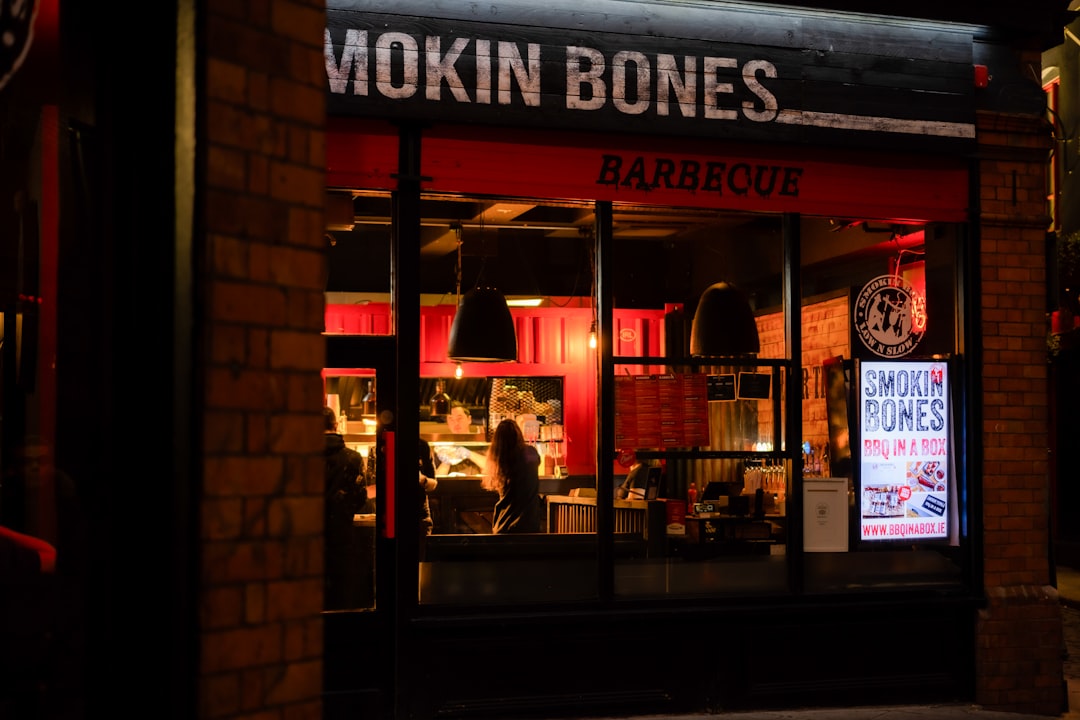
Why This Matters
The Smoke Shop BBQ in Cambridge represents a growing trend: smoke shops diversifying revenue streams by adding complementary business models under one roof. Whether it’s pairing retail with food service, kava bars, lounge spaces, or event hosting, operators are finding that single-category retail isn’t enough in 2026—especially with regulatory pressure squeezing traditional product categories.
This article breaks down what shop owners can learn from hybrid models, how to evaluate diversification opportunities, and what’s working (and what’s not) when you expand beyond the display case.
The Cambridge Model: Retail Meets Food Service
The Smoke Shop BBQ in Cambridge operates as both a smoke shop and a barbecue restaurant. The dual-format model creates foot traffic synergy: customers picking up wraps, vape supplies, or glass might stay for lunch. Diners might browse retail on their way out.
Why operators are watching this approach:
- Traffic arbitrage. Food service brings non-traditional smoke shop customers into the store. A percentage convert to retail buyers.
- Revenue stability. When a product category gets banned or regulated (THCA, kratom concentrates, flavored vapes), food sales cushion the blow.
- Occupancy efficiency. Retail-only shops often have underutilized square footage. Adding a service component increases revenue per square foot.
But hybrid models come with tradeoffs. You’re now managing two businesses with different compliance frameworks, labor needs, and margin structures.
What Makes Diversification Work (and When It Doesn’t)
Not every smoke shop should add a kitchen. Diversification works when the second revenue stream shares infrastructure, customer base, or regulatory burden with the first.
Models That Are Working
Kava bars and lounges. Adding a kava bar to your retail footprint brings in a wellness-focused customer who may not vape or smoke. Kava is federally legal, and the bar format creates a social destination that builds loyalty. Operators report 20–30% of kava bar customers convert to retail purchases over time.
Event hosting and private rentals. Shops with lounge space are booking private hookah events, product launches, and vendor demos. It monetizes off-hours and builds community.
Nicotine pouch-focused sections. As combustible and vape sales decline, dedicating prominent space to nicotine pouches (ZYN, on!, PLUS) attracts a different buyer profile—office workers, athletes, travelers who want discreet nicotine.
Convenience retail add-ons. Snacks, beverages, phone chargers, and grab-and-go items increase basket size without major operational lift. High-margin impulse categories that don’t require licenses.
Models That Struggle
Full-service food without volume. A kitchen requires health permits, staff, waste management, and inventory complexity. If foot traffic doesn’t support 50+ meals per day, margins evaporate.
Lounges in hostile regulatory zones. Many jurisdictions ban on-site consumption of tobacco, cannabis, or vape products. Check local ordinances before investing in lounge buildout.
Diversification into unrelated categories. Adding a tanning bed or nail salon to your smoke shop doesn’t share a customer base. You’re splitting focus without operational synergy.
Navigating Compliance When You Add a Second Business
The moment you diversify, you’re juggling multiple regulatory frameworks.
Food service requires:
- Health department permits and inspections
- Food handler certifications for staff
- Separate liability insurance
- Compliance with local food safety codes (storage temps, allergen labeling, etc.)
Kava bars or on-site consumption spaces require:
- Zoning approval (many municipalities restrict where consumption can occur)
- Age verification (even though kava is legal, most operators enforce 18+ or 21+ to align with smoke shop policies)
- Separate point-of-sale systems if you’re mixing prepared food/beverage with retail (tax treatment differs)
Key risk: Blending inventory or commingling cash flows can trigger accounting and tax headaches. Keep separate SKUs, separate registers, and separate reporting.
Want to check regulations for your specific location? Use our free Product Intel tool — enter your state and county for a report in 30 seconds.
Margin and Stocking Considerations for Hybrid Operators
Adding a second business model changes your cost structure and cash flow.
Margin Comparison
| Category | Typical Gross Margin | Inventory Turn |
|---|---|---|
| Glass and accessories | 50–70% | Slow (60–120 days) |
| Vape hardware | 25–40% | Medium (30–60 days) |
| Consumables (wraps, pouches) | 35–50% | Fast (7–30 days) |
| Prepared food | 60–75% | Same-day (perishable) |
| Kava beverages | 70–80% | Fast (7–14 days) |
Takeaway: Food and beverage categories offer strong margins but require daily management and tight inventory control. You can’t let kava powder or produce sit for 90 days like you can with a bong.
Stocking Strategy
Keep your retail core tight. Diversification doesn’t mean neglecting your base. Stock high-turn consumables (King Palm wraps, nicotine pouches, lighters, rolling papers) and rotate glass inventory quarterly.
Test before you commit. Launch a kava corner or snack section before building out a full bar or kitchen. Measure customer response over 60–90 days.
Leverage vendor support. Kava brands, nicotine pouch distributors, and wrap manufacturers often provide display racks, training, and co-op marketing dollars. Use them.
What to Watch: Trends in Smoke Shop Diversification
Functional beverage growth. Kava, kratom shots (where legal), and functional mushroom drinks are the fastest-growing smoke shop categories. Expect more operators to add beverage coolers and on-premise consumption.
Regulatory forcing functions. The November 12, 2026 federal hemp deadline (Public Law 119-37) eliminates THCA and intoxicating hemp products. Shops that relied on those categories are scrambling to replace revenue—diversification is the most common answer.
Labor shortages favor low-touch models. Full-service food is tough to staff in 2026. Self-serve beverage stations, grab-and-go meals, and automated kava dispensers are gaining traction.
Franchise and licensing models. Expect turnkey kava bar franchise concepts to target smoke shops as conversion candidates. Evaluate carefully—upfront costs and royalty structures vary widely.
Actionable Takeaways for Shop Owners
-
Audit your square footage. If you have unused space, calculate revenue per square foot. If it’s under $200/month, test a second revenue stream (kava bar, lounge seating, convenience retail).
-
Start small and measure. Don’t commit to a full kitchen or bar buildout until you’ve validated demand with a pilot (beverage cooler, snack wall, pop-up kava tastings).
-
Separate your compliance workflows. Use different checklists, calendars, and staff training for retail vs. food service. Cross-contamination of process is where operators get jammed up.
-
Leverage your existing customer base. Survey regulars about what they’d buy if you offered it. Don’t assume—ask.
-
Track the November 2026 hemp deadline. If THCA or Delta-8 drives significant revenue, plan your replacement categories now. Kava, nicotine pouches, and functional beverages are leading the replacement cycle.
-
Revisit your insurance. Adding food service or on-site consumption changes your liability profile. Talk to your agent before you launch.
Regional Considerations
The Cambridge market (and broader Massachusetts) has specific characteristics that make hybrid models attractive:
- High commercial rents. Operators need to maximize revenue per square foot to cover occupancy costs.
- Dense foot traffic. Urban and college-town locations support higher-volume food service.
- Progressive regulatory environment. Massachusetts has relatively clear rules for smoke shops, kratom (KCPA state), and food service, reducing compliance uncertainty.
If you’re in a lower-density or more restrictive market, adjust expectations. A hybrid model in rural Indiana (kratom banned, lower foot traffic) looks very different from Cambridge.
FAQ
Is it legal to operate a smoke shop and restaurant in the same location?
In most jurisdictions, yes—provided you obtain the required permits for each business type (retail tobacco license, food service permit, etc.). Zoning is the bigger constraint: some municipalities restrict where tobacco retail can operate, and adding food service may trigger additional zoning review. Consult your local city or county clerk before signing a lease or starting construction.
What’s the typical startup cost to add a kava bar to an existing smoke shop?
Budget $8,000–$25,000 depending on scale. A basic setup (beverage station, blender, cooler, initial kava inventory) runs $8,000–$12,000. A full bar with seating, décor, and point-of-sale integration can hit $25,000+. Most operators see payback within 9–18 months if the bar drives 15+ transactions per day.
Do I need separate point-of-sale systems for retail and food service?
Not always, but it’s often cleaner. Many modern POS systems (Cova, Flowhub, Square) can handle multi-category inventory and apply different tax rates. The key is separating reporting so you can track margin, turn, and compliance by category. If your current POS can’t do this, budget $100–$300/month for a second terminal or a hybrid system.
How does the November 2026 hemp law affect diversification strategy?
Public Law 119-37 effectively bans THCA, Delta-8, and intoxicating hemp products starting November 12, 2026. Shops that rely on those categories for 30%+ of revenue need replacement product lines. Kava, nicotine pouches, functional beverages, and natural smoking blends are the top replacements. Diversifying into food or beverage service is a parallel strategy—it hedges against future product bans by creating a non-smokeshop revenue stream.
Should I add food service or a kava bar first?
Start with kava unless you have restaurant experience. Kava bars require less infrastructure, lower startup cost, simpler compliance, and align closely with your existing customer base. Food service demands daily inventory management, health inspections, and specialized labor. Most operators find kava easier to test and scale.