Why This Matters
The Smoke Shop BBQ Seaport in Boston represents a growing trend: retail spaces that blend traditional smoke shop or lifestyle product sales with food, beverage, or experiential concepts. While your average smoke shop probably won’t start serving brisket tomorrow, understanding what drives foot traffic in these hybrid models can inform your own merchandising, product mix, and customer experience decisions.
This article breaks down the crossover retail model, what categories are proving successful in hybrid formats, and how you can adapt elements of the strategy—especially around beverage, consumables, and lounge concepts—without overhauling your entire operation.
What Is the Smoke Shop BBQ Seaport?
The Smoke Shop BBQ is a barbecue restaurant with multiple locations, including a high-profile spot in Boston’s Seaport District. The brand leans into Americana and smoking culture—not the cannabis or tobacco kind, but the wood-smoke barbecue tradition. That said, the name recognition and aesthetic overlap with smoke shop retail has created search volume and brand curiosity from operators in our industry.
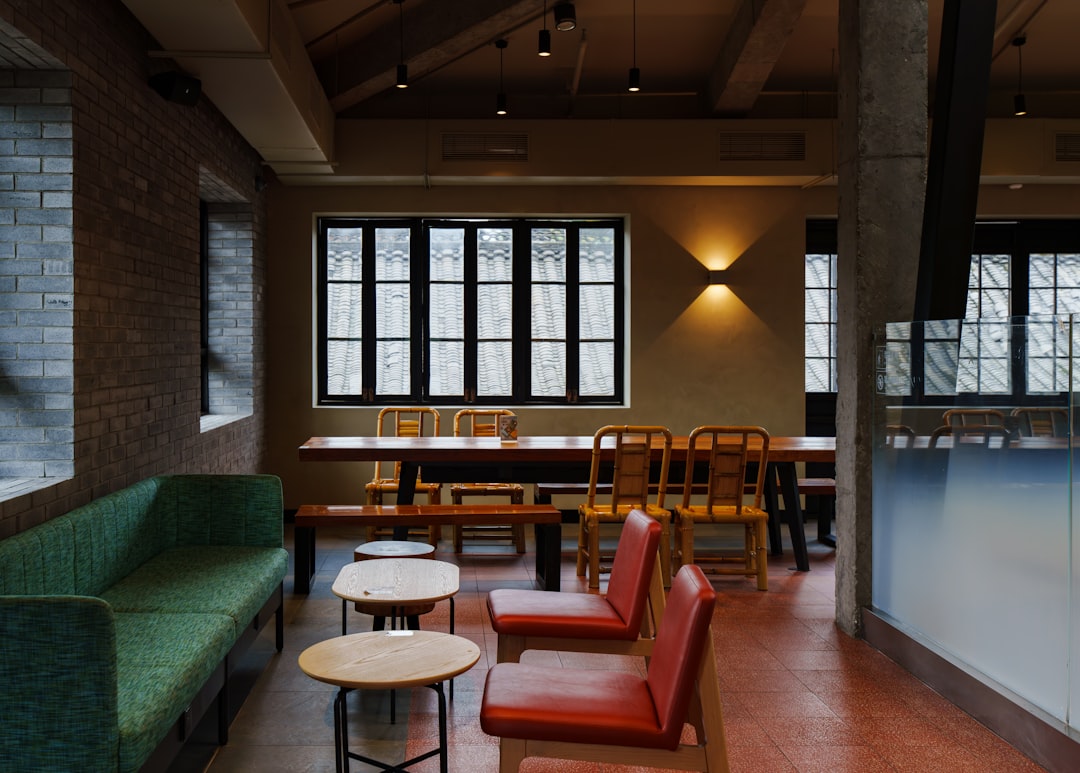
The lesson here isn’t about BBQ. It’s about experiential retail: creating a destination where customers spend time, not just money. The Seaport location draws crowds because it offers food, drinks, atmosphere, and a reason to linger. Smoke shops traditionally operate as transactional retail—customers know what they want, they buy it, they leave. Crossover concepts challenge that model.
The Rise of Hybrid Smoke Shop Formats
Across the country, smoke shop operators are experimenting with hybrid concepts that add revenue streams and broaden the customer base:
Kava bars and lounges. Kava is a legal, non-scheduled plant root (Piper methysticum) from the South Pacific, sold as powder, capsules, shots, and beverages. Kava bars are one of the fastest-growing retail formats in the smoke and alternative wellness space. Customers order kava drinks on-site, socialize, and often browse retail product while they’re there. Kava attracts a wellness-oriented, social customer who may not be your traditional smoke shop buyer—but who will spend money on kratom, CBD, functional mushrooms, and nicotine alternatives once they’re in the door.
Coffee and tea counters. Adding a simple espresso or tea bar gives customers a reason to stay longer and increases impulse buys. Some operators pair kratom tea service with retail kratom sales, though this requires careful compliance work (see below).
Lounge seating with hookahs or consumption areas. In jurisdictions that allow on-site consumption, lounge concepts can drive higher per-visit spend. Customers who stay longer buy more accessories, beverages, and consumables.
Retail + CBD or wellness clinics. Some shops partner with wellness practitioners to offer CBD consultations, functional mushroom education, or wellness product demos. This builds trust and positions your shop as a resource, not just a point of sale.
The common thread: dwell time equals revenue. The longer a customer is in your space, the more opportunities you have to introduce them to new products, upsell, and build loyalty.
What Smoke Shop Operators Can Learn from Crossover Models
You don’t need to pivot to food service or build out a full bar. But you can apply key principles from successful hybrid retailers:
Create an Anchor Experience
The Smoke Shop BBQ’s anchor is food. For a smoke shop, your anchor might be:
- A kava bar with 6–10 kava and kratom beverages on tap or made-to-order
- A display wall of premium glassware with demo pieces customers can handle
- A dedicated nicotine pouch tasting station with sample packs
- A rolling station where customers can try new wraps or papers before buying in bulk
The goal is to give customers something to do or try, not just browse.
Expand Your Beverage and Consumables Mix
Beverages are high-margin, repeat-purchase products that drive foot traffic. Consider stocking:
- Kava shots and drinks. Brands like Bula Kava House, Kavahana, and Kava Luv offer wholesale options. Kava has no federal restrictions and is legal in all 50 states.
- Kratom shots and teas. If you’re in a legal state (see compliance notes below), kratom beverages are strong sellers. Brands like OPMS, MIT 45, and K Shot are established names.
- Functional mushroom beverages. Lion’s mane, reishi, and cordyceps drinks are gaining traction in the wellness space.
- CBD and hemp-derived beverages. Be mindful of the November 12, 2026 federal deadline under Public Law 119-37, which caps total THC at 0.4 mg per container. Most intoxicating hemp beverages will be off the market by then, but compliant CBD drinks will remain viable.
- Nicotine pouches and tobacco alternatives. ZYN, on! PLUS, and other nicotine pouch brands are exploding. Display them prominently and offer variety packs.
Rethink Your Layout for Social Retail
If space allows, dedicate 10–20% of your floor to a seating or social area. This can be as simple as:
- A bench or two near your beverage cooler
- A small table with product samples and educational materials
- A demo area for glassware, vaporizers, or kava prep
Customers who sit down are more likely to ask questions, try new products, and make unplanned purchases.
Market the Experience, Not Just the Product
The Smoke Shop BBQ’s brand is built on experience: live music, outdoor seating, a vibe. Your shop’s brand can be more than “we sell vapes and papers.” Think about:
- Hosting weekly kava or kratom tastings
- Running a loyalty program tied to lounge visits
- Partnering with local artists to rotate displays or host events
- Offering free kratom or kava samples on Fridays to drive weekend traffic
The goal is to make your shop a destination, not a commodity.
Compliance and Product Considerations for Hybrid Models
Adding beverage or consumable service introduces new compliance obligations. Here’s what to watch:
Kratom: An Active Risk Landscape
Kratom legality is shifting fast. As of mid-2026:
- Full bans: Alabama, Arkansas, Connecticut, Indiana, Kansas (eff. July 2026), Louisiana, Michigan, Vermont, Wisconsin. Tennessee pending governor signature.
- California: De facto commercial ban via CDPH administrative action (Oct 2025)—not legislative, but effectively prohibits kratom and 7-OH sales.
- Rhode Island: Reversed its ban effective April 1, 2026 under the Kratom Consumer Protection Act (KCPA).
- KCPA states: 18+ states have adopted the Kratom Consumer Protection Act, which requires age verification, labeling, lab testing, and bans adulterated or synthetic kratom. Several KCPA states (AZ, OK, CO, TX, UT) cap 7-hydroxymitragynine (7-OH) concentration at 2% of total alkaloid content, effectively banning high-concentration 7-OH products while keeping natural kratom legal.
- FDA and DEA: The FDA recommended Schedule I placement for concentrated 7-OH in July 2025. The DEA has not acted. Florida banned 7-OH via emergency rule in August 2025.
If you stock or serve kratom, track your state’s status monthly. Laws are changing faster than most trade publications can keep up.
Want to check regulations for your specific location? Use our free Product Intel tool—enter your state and county for a report in 30 seconds.
Kava: Clear and Legal
Kava is federally legal, non-scheduled, and permitted in all 50 states. There are no federal age restrictions, though many retailers voluntarily enforce 18+ or 21+ policies. Kava is not kratom and faces none of the regulatory uncertainty.
Food Service and Beverage Licensing
If you add on-site beverage preparation (even non-alcoholic), check whether your jurisdiction requires:
- A food service permit or mobile food vendor license
- Health department inspections
- Separate liability insurance for food/beverage service
In most cases, pre-packaged shots and drinks sold for off-site consumption require no additional licensing beyond your standard retail permit. Prepared drinks served on-site may trigger food service rules.
Hemp and Cannabinoid Deadlines
If you’re stocking THCA flower, delta-8, HHC, or other intoxicating hemp products, November 12, 2026 is the federal cutoff. Public Law 119-37 redefines hemp to include total THC (THCA + delta-8 + all analogs) and caps finished products at 0.4 mg total THC per container. This eliminates virtually all intoxicating hemp products. Plan your inventory and supplier relationships accordingly.
What to Stock in a Hybrid or Experiential Smoke Shop
If you’re building out a lounge, kava bar, or social retail concept, prioritize these high-margin, repeat-purchase categories:
Beverages and Consumables
- Kava shots, powders, and instant mixes
- Kratom shots and capsules (if legal in your state)
- CBD beverages and tinctures
- Functional mushroom drinks and powders
- Nicotine pouches (ZYN, on!, Rogue, Velo)
- Herbal smoking blends and kanna products
Accessories and Impulse Buys
- Single-serving glassware cleaners and wipes
- Rolling trays and grinder cards
- Natural palm leaf wraps (King Palm, High Hemp)
- Lighters, torch lighters, and accessories
- Sample packs of papers and wraps
Premium and Demo Product
- High-end glassware and water pipes (display models customers can touch)
- Vaporizers with demo units
- Hookah tobacco and accessories (if you have lounge seating)
- Kratom and kava starter kits with dosing instructions
What to Watch: Trends in Crossover Retail
Kava is the new CBD. Five years ago, CBD was the category that brought wellness customers into smoke shops. Kava is filling that role now—legal everywhere, experiential, social, and high-margin.
Nicotine pouches are mainstream. ZYN is stocked in gas stations and grocery stores. Smoke shops win by offering variety, education, and bulk pricing.
Lounge models need events. A few chairs and a cooler aren’t enough. Successful lounge operators run weekly events: trivia, live music, product demos, vendor nights.
Kratom’s regulatory future is uncertain. If you’re building a business model around kratom beverages or retail, have a Plan B. Kava, functional mushrooms, and CBD are safer long-term bets.
Experiential retail builds loyalty. Transactional retail is a race to the bottom on price. Experiential retail—where customers come for the vibe, the service, and the expertise—commands higher margins and repeat visits.
FAQ
Is The Smoke Shop BBQ Seaport related to smoke shop retail?
No. The Smoke Shop BBQ is a barbecue restaurant with no connection to tobacco, vape, or cannabis retail. The name overlap and aesthetic have created curiosity among smoke shop operators, and the brand’s experiential retail model offers lessons for hybrid smoke shop concepts.
Can I serve kava or kratom beverages on-site in my smoke shop?
Kava is legal federally and in all 50 states, so on-site kava service is generally permissible (check local food service permit requirements). Kratom legality varies by state. As of mid-2026, nine states have full kratom bans, California has a de facto commercial ban, and 18+ states regulate kratom under the Kratom Consumer Protection Act. Check your state’s current status before stocking or serving kratom.
What’s the difference between whole-leaf kratom and 7-OH products?
Whole-leaf kratom is the natural, minimally processed leaf of the Mitragyna speciosa tree. 7-hydroxymitragynine (7-OH) is a concentrated alkaloid extract. The FDA recommended Schedule I placement for concentrated 7-OH in July 2025, and Florida banned it via emergency rule in August 2025. Several KCPA states cap 7-OH at 2% of total alkaloid content, effectively banning high-concentration 7-OH products while keeping natural kratom legal.
Do I need special permits to add a kava bar or beverage service?
If you’re selling pre-packaged kava shots or drinks for off-site consumption, you typically don’t need additional permits beyond your retail license. If you’re preparing kava drinks on-site for immediate consumption, you may need a food service permit or mobile vendor license, depending on your jurisdiction. Check with your local health department.
What should I stock if I can’t sell kratom or intoxicating hemp in my state?
Focus on kava beverages and products, nicotine pouches (ZYN, on! PLUS), functional mushroom supplements, CBD isolate products, natural palm leaf wraps (King Palm, High Hemp), herbal smoking blends, and kanna products. These categories are legal in most jurisdictions and appeal to the same customer base that seeks kratom or hemp-derived cannabinoids.