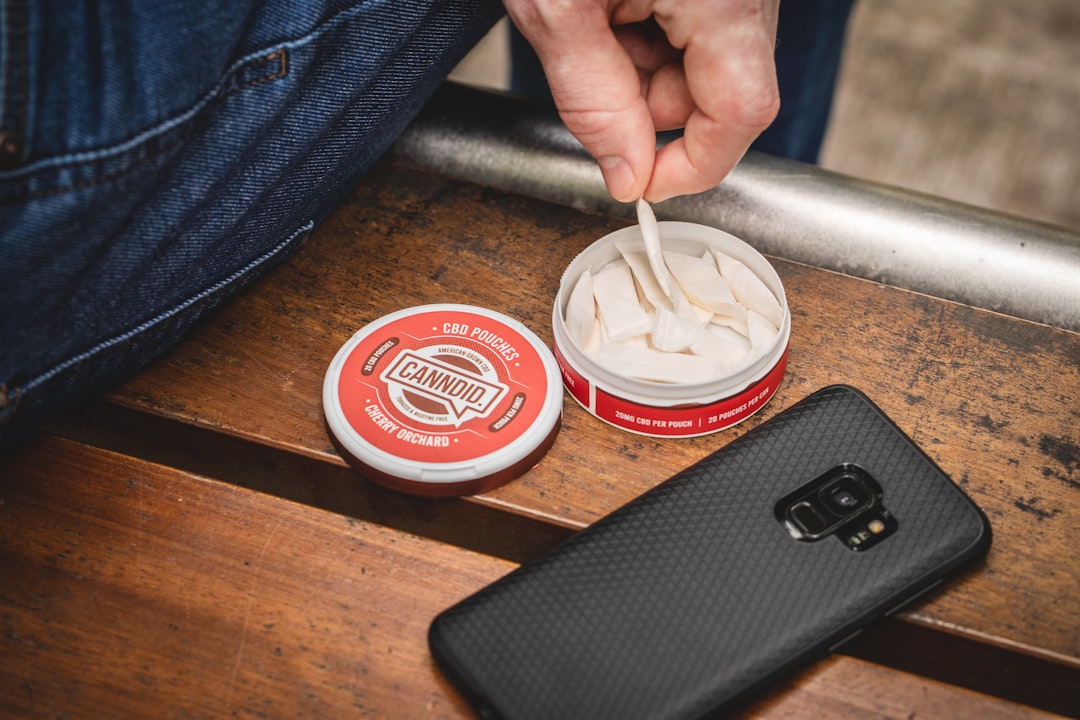
Why this matters: Nicotine pouches represent a rare combination in 2026 smoke shop retail—high margins, clear regulatory standing, and steady customer demand. As federal hemp rules tighten and kratom bans spread, nicotine pouches are one of the few categories growing without legislative threat. If you’re not stocking them yet, you’re leaving money on the counter.
What Are Nicotine Pouches?
Nicotine pouches are tobacco-free, spit-free oral nicotine products. The user places a small pouch between the gum and lip; nicotine is absorbed through the oral mucosa.
Unlike dip or chew, there’s no tobacco leaf. Unlike vapes, there’s no device, no battery, no cloud. The format is discreet, shelf-stable, and appeals to customers looking for nicotine without combustion or vapor.
The category exploded in the U.S. starting around 2019, led by Swedish Match’s ZYN brand. By 2024, nicotine pouches were a multi-billion-dollar segment. They’re now standard inventory in c-stores, and smoke shops are rapidly catching up.
Federal and State Compliance
Nicotine pouches occupy a gray area in federal tobacco law—and that’s actually good news for retailers.
Federal Status
The FDA regulates nicotine pouches under the Family Smoking Prevention and Tobacco Control Act. Because they contain nicotine derived from tobacco (even though there’s no tobacco leaf in the pouch), they’re considered tobacco products.
That means:
- 21+ age verification required at point of sale (federal Tobacco 21 law, passed Dec 2019)
- No sales to minors, period
- Premarket Tobacco Product Applications (PMTA) required for manufacturers to sell legally
As of mid-2026, the major brands—ZYN, on!, VELO, Rogue—have submitted PMTAs and remain on the market under FDA enforcement discretion while applications are reviewed. Smaller or imported brands without PMTAs are technically in violation, though enforcement has been inconsistent.
Bottom line for retailers: Stick to name-brand pouches from established distributors. If a brand can’t show PMTA submission, don’t stock it.
State and Local Rules
Nicotine pouches are legal to sell in all 50 states, but local rules vary:
- Flavor bans: Some jurisdictions (California, Massachusetts, New York, and others) have banned flavored tobacco products. Nicotine pouches are usually included. If your city or county has a flavor ban, you can only sell unflavored (tobacco or mint, depending on the ordinance).
- Licensing: Most states require a tobacco retail license. If you’re already licensed for cigars or vape, nicotine pouches fall under the same license.
- Tax: Some states tax nicotine pouches as “tobacco products” or “OTP” (other tobacco products). Check your state revenue department.
Want to check regulations for your specific location? Use our free Product Intel tool—enter your state and county for a report in 30 seconds.
Why Stock Nicotine Pouches?
High Margins
Wholesale cost on a single 15-count can typically runs $2.50–$3.50. Retail price is $5–$8, depending on your market. That’s a 50–60% margin before shrink, comparable to glass or premium wraps.
Five-can multipacks wholesale for $12–$15 and retail for $20–$30. Customers stocking up for the week will buy multipacks, boosting transaction size.
Impulse and Repeat Purchase
Nicotine pouches are a consumable. A regular user goes through a can every 2–4 days. That’s repeat traffic—customers coming back twice a week.
Display them near the register. Run a “Buy 5, get one free” promo. Impulse conversions are high.
Regulatory Stability
Compare nicotine pouches to the rest of your inventory in 2026:
- THCA, Delta-8, HHC: Federally banned as of November 12, 2026 under Public Law 119-37 (total THC redefinition, 0.4 mg container cap).
- Kratom: Banned in 10 states, administratively banned in California, pending governor signature in Tennessee, and under active DEA review for concentrated 7-OH products.
- Vape hardware and e-liquid: Subject to PMTA enforcement, flavor bans, and excise tax in many states.
Nicotine pouches face none of these headwinds. The category is mature, the big players are compliant, and there’s no pending federal crackdown.
Top Brands and SKUs to Stock
You don’t need 40 SKUs. Start with the top movers and expand based on customer requests.
ZYN
ZYN is the category leader—roughly 70% market share as of 2025. If you stock one brand, stock ZYN.
Core SKUs:
- ZYN Wintergreen 3 mg and 6 mg
- ZYN Cool Mint 3 mg and 6 mg
- ZYN Citrus 3 mg and 6 mg
- ZYN Coffee 6 mg (popular among former dipper demographic)
ZYN is distributed through Swedish Match (now part of Philip Morris International). Your tobacco distributor can set you up. Minimum opening order is usually one master case (10–20 cans depending on the distributor).
on! (previously on! PLUS)
on! is the value alternative. Smaller pouch size, slightly lower price point. It appeals to customers who find ZYN too strong or too expensive.
Core SKUs:
- on! Wintergreen 4 mg and 8 mg
- on! Mint 4 mg and 8 mg
- on! Citrus 4 mg
on! is distributed by Altria. Available through most tobacco distributors.
VELO
VELO is British American Tobacco’s brand. It has strong brand recognition among former Scandinavian snus users and younger adult customers.
Core SKUs:
- VELO Ice Cool (mint/menthol)
- VELO Freeze (extra menthol)
- VELO Citrus
- VELO Wintergreen
VELO tends to be priced in line with ZYN. Good option if you want a second premium brand.
Rogue
Rogue offers some unique flavors (Mango, Peppermint, Apple) and appeals to customers looking for variety.
Stock it if you have the space and want differentiation. It’s a tier-two brand by volume, but loyal customers will ask for it.
Stocking Strategy
Starter Pack
If you’re new to the category, start with:
- 2–3 ZYN flavors (Wintergreen, Cool Mint, Citrus) in 3 mg and 6 mg = 6 SKUs
- 1–2 on! flavors (Wintergreen or Mint) in 4 mg = 2 SKUs
- Total: 8 SKUs, roughly 40–80 cans depending on your distributor minimums
Display them in a countertop rack near the register. Most distributors will provide branded POS displays for free if you commit to a minimum opening order.
Reorder Cadence
Nicotine pouches have an 18–24 month shelf life (check the can). They don’t go stale quickly.
Reorder weekly or bi-weekly based on sell-through. Track which strengths move fastest—6 mg typically outsells 3 mg in smoke shops, but your market may differ.
Margins vs. Volume
Some retailers price aggressively ($4.99/can) to build volume. Others price at $6.99–$7.99 and take the margin.
Test both. If you’re in a competitive c-store market, you may need to price lower. If you’re the only shop in town stocking ZYN, price for margin.
Merchandising and Display
Placement
Put nicotine pouches on or directly behind the counter. They’re age-restricted, high-theft-risk (small, high-value), and impulse-driven.
Do not put them on an open shelf in the back. You’ll lose sales and lose inventory.
Cross-Merchandising
Nicotine pouch customers often buy:
- Disposable vapes (if they’re dual users)
- Energy drinks or CBD drinks
- Lighters, even though they’re not smoking (brand loyalty/habit)
Bundle promos work: “Buy any ZYN 5-pack, get a can of CBD seltzer for $2.”
Signage
Keep it simple:
- “ZYN & Nicotine Pouches – Ask at Counter”
- “21+ Only – ID Required”
If your jurisdiction allows flavor descriptors, list the top flavors. If you’re in a flavor-ban market, you can only advertise unflavored or menthol (check your local ordinance).
Common Retailer Questions
”Can I sell nicotine pouches online?”
Federally, yes—but you must use an age-verified shipping service and comply with the PACT Act (registration, tax collection, shipping restrictions). Many payment processors won’t touch tobacco e-commerce.
Most smoke shops don’t bother. Margins are better in-store, and compliance headaches are lower.
”What if a customer asks for ‘Zyn’ but I only have VELO?”
Offer the substitute, but don’t oversell. ZYN has strong brand loyalty. If a customer specifically wants ZYN Wintergreen 6 mg, they usually won’t switch to VELO unless it’s an emergency.
Better move: text them when ZYN is back in stock. Build the relationship.
”Do nicotine pouches require the same storage as cigarettes?”
No special storage requirements. Keep them in a cool, dry place. They don’t need refrigeration (though some users prefer chilled pouches—you can upsell a small countertop fridge if you want to get fancy).
They also don’t produce odor, so they won’t affect your other inventory.
What to Watch
Flavor ban momentum: Several states and cities are considering menthol and flavor bans for all tobacco products. If your jurisdiction passes one, you’ll be limited to unflavored pouches. Diversify your nicotine category (consider kava shots or energy products) so you’re not over-indexed on one regulated product.
Synthetic nicotine uncertainty: Some pouches use synthetic (non-tobacco-derived) nicotine. The FDA closed the synthetic loophole in 2022, requiring all nicotine products to go through PMTA regardless of source. Stick to major brands that have submitted PMTAs.
Tax increases: Nicotine pouches are undertaxed compared to cigarettes in most states. Expect legislative proposals to increase OTP taxes. This hasn’t happened at scale yet, but it’s on state revenue department radars.
Private label and no-name brands: You’ll see cheap, unbranded pouches from importers. Pass. If the brand can’t show PMTA documentation, you’re taking on regulatory risk for a few extra margin points. Not worth it.
What to Stock Instead (If You’re in a Flavor Ban Market)
If your city or state bans flavored tobacco, you can still sell unflavored or menthol nicotine pouches (depending on the ordinance). But you’ll lose a chunk of revenue.
Replacement categories to consider:
- Kava shots and beverages: Legal, non-scheduled, and popular with the same demographic that buys nicotine pouches. Brands like Kavaha and Shot of Zen are showing up in smoke shops nationwide.
- Functional mushroom gummies: Lion’s mane, cordyceps, reishi—growing category, no tobacco license required.
- CBD isolate products: If you’re licensed for hemp/CBD, isolate-based products (no THC) remain legal post-November 2026.
- Energy drinks and nootropic shots: High margins, same impulse-buy behavior as nicotine pouches.
Kava in particular brings in a new customer who might not be a traditional smoke shop buyer—younger professionals, kava bar converts, people avoiding alcohol.
Frequently Asked Questions
Do I need a special license to sell nicotine pouches?
In most states, nicotine pouches fall under your existing tobacco retail license. If you’re already licensed to sell cigars, vape, or cigarettes, you’re covered. A few states require a separate “OTP” (other tobacco products) endorsement. Check with your state revenue or health department, or use a regulation research tool to verify.
What’s the shelf life of nicotine pouches?
Typically 18–24 months from manufacture. The can will have a production or expiration date stamped on the bottom. They don’t require refrigeration, but they should be stored in a cool, dry place. Expired pouches lose potency and may dry out.
Can I sell nicotine pouches if I’m in a state with a kratom ban?
Yes. Nicotine pouches and kratom are completely separate products with separate regulations. Kratom bans (like those in Alabama, Arkansas, Indiana, Wisconsin, and California’s administrative ban) do not affect nicotine pouch sales. However, you’ll want to replace lost kratom revenue—nicotine pouches, kava, and functional beverages are common replacements.
Are nicotine pouches affected by the November 2026 hemp deadline?
No. Nicotine pouches contain nicotine derived from tobacco, not cannabinoids. Public Law 119-37 (which redefines hemp to include total THC and sets a 0.4 mg container cap) only affects hemp-derived products like THCA, Delta-8, and HHC. Nicotine pouches are regulated by FDA tobacco rules, not the Farm Bill.
What’s the best way to prevent theft of nicotine pouches?
Keep them behind the counter or in a locked display case. Single cans are small and easy to pocket. Some retailers use acrylic locking boxes for floor displays. If you’re using a countertop POS display, position it so staff can see it at all times. Consider bundling cans in shrink-wrapped multipacks—larger package = harder to conceal.