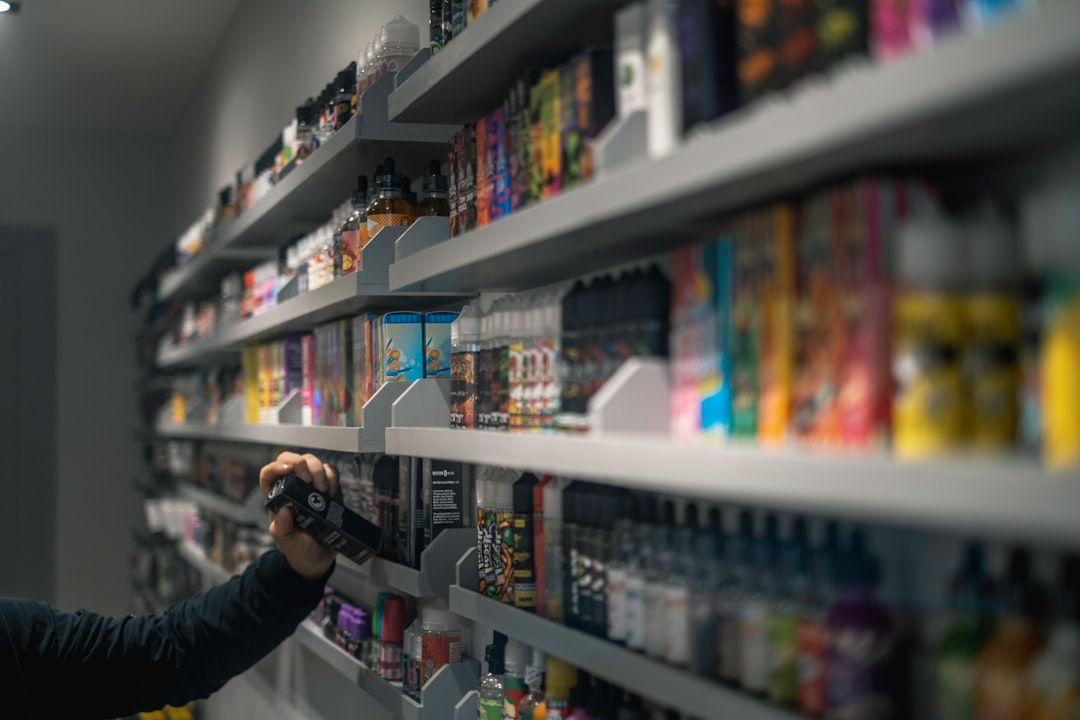
Why This Matters
North Carolina enacted a statewide ban on flavored vaping products in 2024 through Senate Bill 543, making it one of a growing number of states restricting nicotine vape flavors. For North Carolina shop owners, the law fundamentally changed inventory strategy, margin structure, and compliance risk.
If you’re operating in NC, you’re required to stock only tobacco-flavored and menthol-flavored vape products. Violations carry significant penalties, and enforcement has been active through both state and local authorities.
This article covers what the NC vape ban actually prohibits, how enforcement works, what you can still legally sell, and which product categories to lean into as replacements.
What the NC Vape Ban Actually Covers
Senate Bill 543 prohibits the sale of flavored electronic smoking devices and consumable products. Here’s the scope:
Banned:
- Fruit-flavored disposable vapes
- Candy, dessert, and sweet-flavored vape juice
- Any characterizing flavor other than tobacco or menthol in nicotine vape products
- Disposables and refillable systems with prohibited flavors
Still Legal:
- Tobacco-flavored vape products
- Menthol-flavored vape products
- Unflavored nicotine vape juice
- Non-nicotine herbal vaporizers (depending on formulation)
- Zero-nicotine vape products (gray area — check local enforcement interpretation)
The law applies to all vaping products containing nicotine derived from tobacco. It does not apply to cannabis products, which are regulated separately, or to non-vaping nicotine delivery systems like pouches.
Who Enforces the Ban
Enforcement comes from multiple directions:
- North Carolina Department of Revenue (NCDOR): Primary regulatory authority for tobacco and vape products
- Local health departments: Conduct retail inspections
- Local law enforcement: Can issue citations for violations
Penalties include fines, license suspension, and in repeat-violation cases, license revocation. Some counties have been more aggressive than others, but statewide enforcement has been consistent since the law took effect.
Compliance Checklist for NC Retailers
If you’re operating in North Carolina, here’s what you need to do:
-
Audit your inventory immediately. Pull any fruit, candy, dessert, or sweet-flavored vape products. Do not wait for inspectors to find them.
-
Review supplier invoices. Make sure your distributors aren’t shipping you non-compliant products. Some national distributors still fulfill orders for banned flavors if you don’t explicitly flag your state restrictions.
-
Train your staff. Ensure every employee knows the law and can explain it to customers. Customers will ask for banned flavors — your team needs to redirect them to compliant options or alternatives.
-
Update signage and online listings. If you sell online or advertise inventory on social media, scrub any references to banned flavors.
-
Document your compliance efforts. Keep records of inventory audits, staff training, and supplier communications. If you’re inspected, documentation helps demonstrate good-faith compliance.
Want to check regulations for your specific location? Use our free Product Intel tool — enter your state and county for a report in 30 seconds.
What Customers Are Buying Instead
The flavor ban didn’t eliminate nicotine demand. It shifted it. Here’s what North Carolina shop owners report moving volume in:
Nicotine Pouches
Nicotine pouches — ZYN, on! PLUS, Rogue, VELO — exploded in NC after the vape ban. They’re discreet, smokeless, flavored, and not covered by the vape flavor ban because they’re not combusted or vaporized.
Stock a range of strengths (3 mg to 6 mg is the sweet spot for most customers) and multiple flavors. Mint and citrus varieties move fastest. Margins are solid, typically 35–45% depending on your distributor.
Pouches also bring in a different customer: people who can’t vape at work, travelers, and users who want a lower-profile nicotine option. Display them at the counter for impulse buys.
Menthol and Tobacco Vapes
Menthol is still legal in North Carolina, and it’s your primary compliant vape offering. Stock a range of menthol disposables and refillable pod systems.
Tobacco-flavored options are technically legal, but customer demand is weaker. Most vapers who wanted tobacco flavor have already settled into a brand or switched categories. Menthol is where the volume is.
Keep a tight SKU count. You don’t need 15 menthol disposable brands — pick three reliable suppliers with good margins and consistent stock, then go deep on those.
Kava and Functional Beverages
Kava drinks, kratom shots (where legal — verify before stocking), and functional mushroom beverages are filling the gap for customers looking for a legal, non-nicotine experience.
Kava products in particular are seeing growth in North Carolina shops. They’re legal, non-scheduled, and appeal to customers interested in relaxation without intoxication. Popular formats include:
- Ready-to-drink kava shots
- Kava + kratom blends (in jurisdictions where kratom is legal)
- Kava gummies and capsules
- Powdered kava root for traditional preparation
Kava brings in a customer who might not be a traditional smoke shop buyer. It’s also a gateway to other wellness and functional categories, which can diversify your revenue base.
Important: Kratom legality is shifting fast. As of 2026, kratom is banned in Alabama, Arkansas, Connecticut, Indiana, Kansas (effective July 2026), Louisiana, Michigan, Vermont, and Wisconsin. California has a de facto commercial ban via CDPH administrative action. Rhode Island reversed its ban in April 2026. If you’re stocking kratom in NC, track state and local law closely.
CBD and Minor Cannabinoids
CBD isolate products (zero THC) remain fully legal and are a stable category. Focus on:
- CBD gummies and edibles
- CBD vape cartridges (unflavored or naturally derived terpenes)
- Topicals and tinctures
Critical note: Public Law 119-37 redefines hemp to include total THC (THCA + delta-8 + all analogs), effective November 12, 2026. The law imposes a 0.4 mg total THC cap per finished product, which will eliminate virtually all intoxicating hemp products currently on the market.
If you’re stocking THCA flower, delta-8 gummies, or HHC vapes, plan your exit strategy now. You have until November 2026 to move that inventory. After that date, those products are federally non-compliant.
Herbal Smoking Blends and Wraps
Non-tobacco, non-nicotine herbal smoking blends are legal and gaining traction. Brands like King Palm (natural palm leaf wraps with corn husk filters) and herbal blend pre-rolls are good complements to your rolling paper section.
These products appeal to customers reducing nicotine or tobacco use, or those looking for a smoking ritual without the substance.
Margins and Stocking Strategy
The NC vape ban compressed your vape category margins and SKU breadth. Here’s how to adapt:
Vape category:
- Shrink your vape section. You don’t need 30 feet of wall space for menthol disposables.
- Go deeper on fewer SKUs. Stock three strong menthol brands in multiple nicotine strengths.
- Watch your distributor pricing. Some suppliers raised prices on compliant flavors after the ban, knowing retailers had fewer options.
Nicotine pouches:
- Expand your pouch selection. Dedicate counter space or an endcap.
- Pouches have better turns than most vape SKUs and comparable margins.
- Run promotions: buy-two-get-one, loyalty punch cards, etc. Pouches are a category where promotions actually drive repeat traffic.
Alternative categories:
- Test kava, functional mushrooms, and CBD in 3–6-SKU sets. Don’t over-commit until you see what moves.
- These categories often carry higher margins (40–60%) but slower turns. Price accordingly.
- Cross-merchandise: put kava shots near the register, kratom capsules near your CBD section, etc.
What to Watch
Menthol Bans
North Carolina’s current law allows menthol, but federal menthol regulation is on the table. The FDA has proposed a menthol ban for combustible cigarettes and has signaled interest in extending restrictions to vape products.
If federal menthol restrictions pass, your compliant vape category shrinks to tobacco-flavored products only. Monitor federal rule-making closely.
Local Ordinances
Some NC municipalities have enacted additional restrictions beyond the state law. A handful of counties have implemented retail license requirements, display restrictions, or stricter age verification rules.
Check with your local health department or county clerk to confirm you’re meeting all local requirements in addition to state law.
THC Product Deadline
November 12, 2026 is the federal cutoff for intoxicating hemp products under Public Law 119-37. If you’re carrying THCA, delta-8, or HHC, start planning your inventory transition now. Do not get caught holding non-compliant product after the deadline.
Online Sales and Shipping
North Carolina law applies to in-state sales. If you sell online and ship vape products, ensure your e-commerce platform blocks flavored vape sales to NC addresses. Shipping non-compliant products into NC exposes you to the same penalties as in-store violations.
Actionable Takeaways
- Audit inventory now. Remove any non-compliant flavored vape products immediately.
- Lean into nicotine pouches. They’re legal, profitable, and customers are actively seeking them.
- Expand into kava and functional beverages. These categories bring in new customers and diversify your revenue.
- Plan for the November 2026 hemp deadline. If you stock THCA or delta-8, develop an exit strategy for that inventory.
- Monitor federal menthol regulations. A federal menthol ban would shrink your compliant vape options to tobacco flavor only.
- Train staff on what’s legal and what’s not. Compliance is a team effort, and your employees are your first line of defense.
FAQ
Is menthol still legal to sell in North Carolina?
Yes. The NC vape ban prohibits fruit, candy, and sweet flavors, but menthol-flavored vape products remain legal. Tobacco-flavored products are also compliant.
Do zero-nicotine vapes fall under the ban?
The law specifically targets nicotine-containing vaping products. Zero-nicotine vapes are in a gray area. Some local jurisdictions enforce the ban broadly to include zero-nicotine flavored products, while others do not. Check with your local health department for clarification.
Can I still sell flavored nicotine pouches like ZYN?
Yes. Nicotine pouches are not vaporized or combusted, so they fall outside the scope of the NC vape flavor ban. You can legally sell flavored nicotine pouches in North Carolina.
What are the penalties for selling banned flavors?
Penalties include fines, suspension of your tobacco retail license, and in cases of repeat violations, permanent license revocation. Enforcement is active, and inspections are ongoing.
Where can I check if my other products are compliant in NC?
Use the Product Intel tool on SmokeShopHub to generate a jurisdiction-specific regulation report. Enter your state and county to get a breakdown of what’s legal to sell in your area.