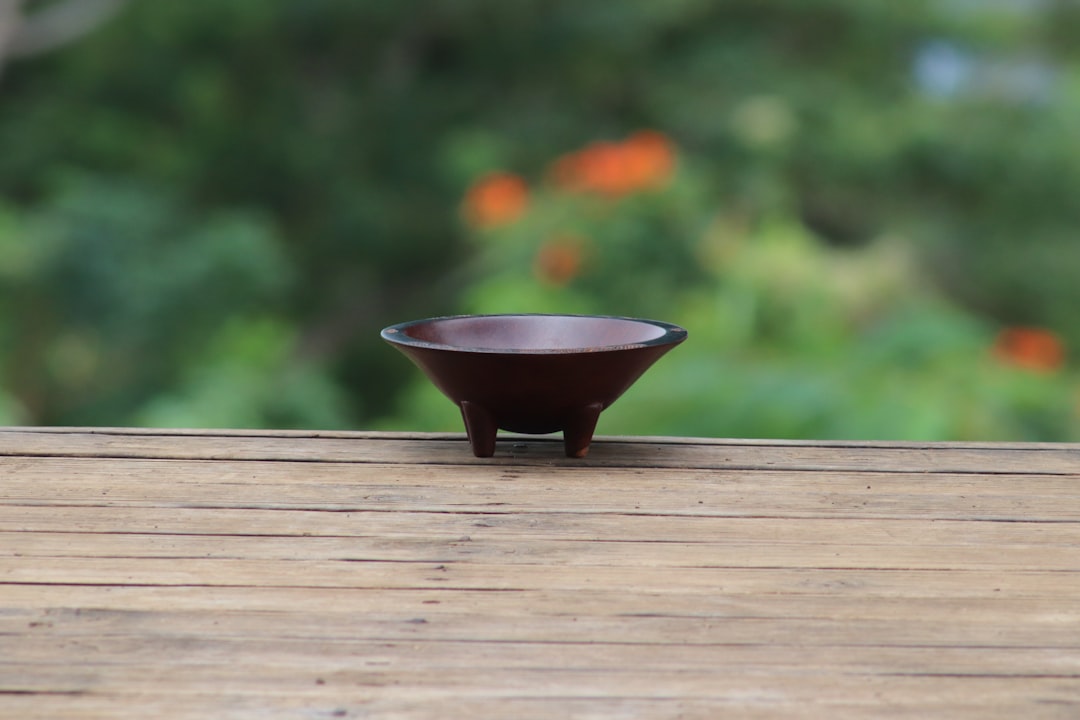
Why this matters: Kava root is a federally legal botanical with a growing customer base, stable regulatory outlook, and solid margins. Unlike kratom, it carries minimal compliance risk and can bring new foot traffic into your shop—especially customers who might not be traditional smoke shop buyers. If you’re looking to diversify revenue streams or offset shrinking categories, kava deserves a hard look.
What Is Kava Root?
Kava (Piper methysticum) is a root native to the South Pacific islands, traditionally consumed as a ceremonial beverage. The root contains kavalactones, compounds that produce calming, mood-enhancing effects without intoxication or impairment. Users describe it as relaxing but clear-headed—closer to CBD than alcohol.
In retail, kava shows up as:
- Powdered root (traditional grind for preparation as a beverage)
- Capsules and tablets (standardized extract, usually 50–250 mg kavalactones per dose)
- Shots and tinctures (liquid concentrates, often flavored)
- Gummies and edibles (newer format, growing fast)
- Instant mixes and teas (single-serve sachets, easier prep than traditional powder)
Kava is not kratom. They are entirely different plants with different effects, legal statuses, and customer bases. Kava is federally legal, not scheduled, and not under active FDA enforcement action targeting consumer products.
Why Kava Works for Smoke Shops
Low Compliance Risk
Kava is legal at the federal level and in all 50 states. There are no state-level bans, no DEA scheduling recommendations, and no recent legislative attempts to restrict it. The FDA has issued advisories about potential liver toxicity in rare cases, but those warnings date back to 2002 and largely concerned non-traditional extracts and supplements taken in unregulated contexts. Traditional root and reputable extract products have not triggered enforcement.
For shop owners navigating the kratom regulatory minefield—bans in nine states, pending legislation in several others, and California’s administrative ban as of October 2025—kava offers a breath of fresh air. You won’t wake up to emergency scheduling notices or have to pull inventory overnight.
Strong Margins
Wholesale cost on kava products typically runs 40–60% of retail, depending on format:
- Powder: $8–15 wholesale per 4 oz bag, retails $18–30
- Capsules: $10–18 wholesale per 60-count bottle, retails $25–40
- Shots: $2–4 wholesale per 2 oz bottle, retails $7–12
- Gummies: $8–14 wholesale per pouch (10–20 servings), retails $20–35
Margins are comparable to CBD and kratom, but with faster turns in markets where kava bars and social venues have raised awareness.
Crossover Appeal
Kava attracts a customer profile that overlaps with, but isn’t identical to, your core smoke shop base:
- Wellness-oriented buyers who might also buy CBD, adaptogens, or herbal supplements
- Sober-curious and recovery communities looking for alcohol alternatives
- Professionals and older demographics seeking stress relief without THC or intoxication
This matters because kava can bring in daytime traffic and customers who wouldn’t typically browse glass or vape hardware. If you’re in a college town, downtown district, or wellness-forward market, the category can perform surprisingly well.
Stocking Strategy: Start Small, Test, Scale
Start with Ready-to-Consume Formats
If you’re new to kava, start with shots and capsules. These have the lowest barrier to entry for customers unfamiliar with traditional prep (which involves straining powder in water, often in a mesh bag—messier and less intuitive than popping a cap or drinking a shot).
Stock 2–3 SKUs to test:
- A flavored kava shot (2 oz, 150–250 mg kavalactones) from a recognized brand like Botanic Tonics, Kavaha, or a newer name such as WAVO, which skips kratom entirely in favor of a kava and kanna blend
- A capsule product (60-count, 50–75 mg kavalactones per cap) with clear labeling
- An instant kava mix (single-serve sachet) if your market skews younger or more experimental
Place them near the register or in your CBD/wellness section. Don’t bury them with rolling papers or glass.
Educate Your Counter Staff
Kava is not intuitive for most customers. Your staff needs to be able to answer:
- What does it do? Relaxing, calming, social without intoxication. Not a high, not sedating.
- How much to take? Start with one serving (50–100 mg kavalactones for capsules, one shot). Effects build with repeated use over 30–60 minutes.
- Any risks? Advise against mixing with alcohol or acetaminophen. Mention the rare liver advisories if customers ask, but note that traditional root products used responsibly are widely considered safe.
- How is it different from kratom? Kava is legal everywhere, not scheduled, and has a different effect profile (calming vs. stimulating/pain-relieving).
Print a one-page cheat sheet or product card. Train staff not to make medical claims (“cures anxiety,” “treats insomnia”), but to describe subjective effects and traditional use.
Add Powder for Enthusiasts
Once shots and caps are moving, consider adding traditional micronized or instant kava powder. This format appeals to experienced users and kava bar regulars who want to prepare their own at home.
Wholesale runs $30–50 per pound; retail $60–100. Powder has a longer shelf life than liquid formats and can command premium pricing if you carry high-quality, noble kava cultivars (Borogu, Borongoru, Loa Waka).
Label and educate clearly—this is not a product you hand to a first-timer without explanation.
Sourcing and Vendor Considerations
Buy from Kava-Specialized Distributors
General smoke shop distributors are adding kava, but quality varies. Consider sourcing from vendors that specialize in kava or have third-party lab testing readily available:
- Lab reports for kavalactone content (typically 3–12% in root powder, 30–70% in extracts)
- Heavy metal and microbial testing (especially for powder sourced overseas)
- Noble vs. tudei kava: Noble varieties are preferred for safety and effect. Tudei kava (two-day kava) contains higher levels of flavokavain B, linked to adverse effects, and should be avoided.
Ask your distributor about origin. Vanuatu, Fiji, and Tonga produce the most reputable kava. Avoid products that don’t disclose origin or cultivar.
Watch for Adulteration and Synthetic Additives
As kava grows, expect formulations that blend kava extract with other botanicals (passionflower, valerian, CBD, kratom) or with synthetic ingredients. These combo products can muddy customer understanding and introduce compliance risk if they include scheduled or restricted substances.
Stick with kava-only products or clearly labeled blends from reputable manufacturers. Avoid anything marketed with drug claims or that looks like an energy drink knockoff.
Compliance and Labeling
Kava’s legal status is stable, but that doesn’t mean you can ignore basic compliance hygiene:
- Age-gate at 18+ (or 21+ if your state requires it for smokeable/consumable botanicals). Many kava vendors recommend 21+ as best practice.
- No medical claims. Kava is sold as a dietary supplement or traditional botanical, not as a drug. Staff should avoid phrases like “treats anxiety,” “cures depression,” or “safe for liver disease.”
- Label requirements: Products should include a supplement facts panel, ingredient list, and manufacturer contact info. Avoid products with vague or missing labels.
- State supplement and food laws: If you’re in a state with strict supplement seller permits (California, New York, etc.), verify whether kava falls under those regs. In most cases, it’s sold under the Dietary Supplement Health and Education Act (DSHEA) framework and doesn’t require special licensing beyond your standard retail permits.
When in doubt, consult your state’s food and drug or health department. Kava’s compliance footprint is light, but you still want to dot your i’s.
Marketing Kava In-Store
Position It as an Alternative, Not a Substitute
Don’t try to sell kava as “legal kratom” or “like CBD but stronger.” It’s neither. Position it as a distinct category:
- Stress relief and social relaxation
- Alcohol alternative (especially effective in college towns and metros with sober-curious movements)
- Evening wind-down without grogginess
Use shelf talkers, product cards, or QR codes linking to educational content (blog posts, vendor pages, reputable kava explainers). If you have a loyalty program or email list, feature kava in a “new arrivals” or “wellness spotlight” campaign.
Offer Sampling or Starter Packs
If local regs allow, consider offering sample-size shots or single-serving sachets at or near cost to get customers to try it. Kava’s effects are subtle and build with use, so first-timers often need a nudge.
Bundle a shot, a sachet, and a capsule pack as a “kava starter kit” at a slight discount. This encourages trial across formats and increases basket size.
Highlight Local Kava Bars or Culture
If there’s a kava bar in your city or region, mention it. Kava culture is social and communal, and customers who’ve visited a kava bar are warm leads. You’re offering them a take-home version of an experience they already enjoy.
What to Watch: Category Trends and Risks
Growth Drivers
- Kava bars expanding nationwide: Kava bars are opening in mid-sized and large metros across the U.S., raising consumer awareness and normalizing the category. This is your free marketing.
- Functional beverage trend: Consumers are moving away from alcohol and toward nootropics, adaptogens, and botanicals. Kava fits squarely in this lane.
- CBD fatigue: Some customers are looking for alternatives to CBD that offer more noticeable effects. Kava delivers a distinct, perceptible experience.
Potential Headwinds
- Supply chain volatility: Kava is a crop, and yields can be affected by weather, politics, and export regulations in Pacific island nations. Prices have spiked in the past when supply tightens.
- Liver toxicity perception: The FDA’s 2002 advisory still surfaces in consumer research. Reputable brands counter this with third-party testing and education, but it can spook risk-averse customers.
- Regulatory creep: While kava is currently unscheduled and unregulated, rapid growth could eventually attract scrutiny. Keep an eye on state supplement laws and any federal rulemaking that touches botanicals.
How Kava Fits Alongside Kratom
If you stock kratom, kava is a natural adjacency—but it’s not a replacement. Here’s how to think about both:
| Category | Kava | Kratom |
|---|---|---|
| Legal status | Legal federally and in all 50 states | Banned in 9+ states; California admin ban; 7-OH concentrate under DEA review |
| Effect profile | Calming, social, non-intoxicating | Stimulating at low doses, sedating at high doses; pain relief |
| Compliance risk | Low | High and rising |
| Customer base | Wellness, sober-curious, stress relief | Pain management, energy, opioid alternatives |
| Margin | 40–60% | 40–70% (but higher inventory risk) |
If you’re in a kratom-legal state with a strong customer base, continue stocking it—but use kava to diversify and insulate against regulatory risk. If you’re in a ban state or California, kava offers a legal, profitable alternative that can capture some of the same customer intent (relaxation, mood support, herbal wellness).
Don’t cross-merchandise them as interchangeable. They serve different needs and attract different buyers.
Actionable Takeaways
- Start with 2–3 SKUs in ready-to-consume formats (shots, capsules, instant mix). Test before committing to deep inventory.
- Educate your staff with a simple cheat sheet covering effects, dosing, and how kava differs from kratom and CBD.
- Source from kava-specialist distributors that provide lab testing and disclose cultivar and origin. Avoid tudei kava and products with vague labeling.
- Age-gate at 18+ minimum and avoid medical claims in marketing or staff conversations.
- Position kava as its own category—stress relief, social relaxation, alcohol alternative—not as a kratom or CBD substitute.
- Monitor state supplement regs and stay in touch with your distributor about supply and pricing trends.
Kava is not a magic bullet, but it’s a smart, low-risk addition to your product mix. In a regulatory environment where kratom bans are spreading and vape flavor restrictions remain unpredictable, kava offers stability, margin, and growth potential.
FAQ
Is kava legal to sell in smoke shops?
Yes. Kava is federally legal and legal in all 50 states. It is not a controlled substance and is not under active DEA or FDA enforcement targeting retail sales. Basic supplement labeling and age verification (18+ or 21+ depending on your market) are recommended, but there are no special licenses required in most jurisdictions.
What’s the difference between kava and kratom?
Kava and kratom are completely different plants. Kava (Piper methysticum) is a root from the South Pacific that produces calming, relaxing effects. Kratom (Mitragyna speciosa) is a leaf from Southeast Asia with stimulating and pain-relieving properties. Kava is legal everywhere in the U.S.; kratom is banned in nine states and under increasing regulatory pressure, especially concentrated 7-hydroxymitragynine (7-OH) products.
What are the margins on kava products?
Wholesale cost is typically 40–60% of retail. Shots and capsules tend toward the higher end of that range; powder is closer to 50%. Margins are comparable to CBD and kratom, with the added benefit of stable legality and lower inventory risk.
Do I need third-party lab testing for kava?
You’re not legally required to test kava yourself, but you should buy from vendors that provide third-party lab reports for kavalactone content, heavy metals, and microbial contamination. This protects you from quality issues and helps you answer customer questions. Reputable kava suppliers make lab reports available on request or via QR code on packaging.
Can I sell kava and kratom together?
Yes, if kratom is legal in your state. They appeal to overlapping but distinct customer bases and should be merchandised as separate categories. Do not market them as interchangeable or as substitutes for one another. If you’re in a kratom-ban state or California (which enacted an administrative kratom ban in October 2025), kava offers a legal alternative that can help fill the gap.