Why This Matters
Kava bars represent a growing retail format that’s finding a natural home alongside—or inside—smoke shops, vape shops, and CBD retailers. With kava’s legal status clearer than many other plant-based products, shop owners are using the kava bar model to diversify revenue, attract a wellness-oriented customer base, and create destination experiences that drive foot traffic and basket size. If you’re considering adding a kava bar component to your operation, or simply stocking kava to meet demand, understanding the category’s retail dynamics is critical.
What Is a Kava Bar?
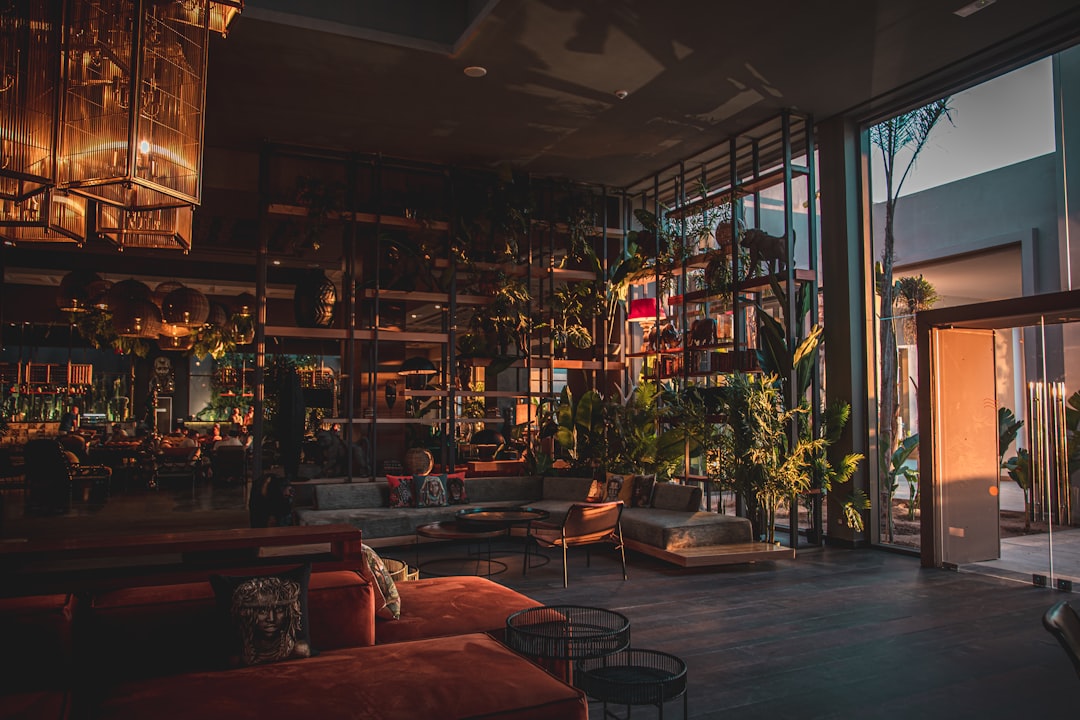
A kava bar is a retail environment where customers purchase and consume kava beverages on-premise. Think of it as a social lounge or juice bar model, but centered on kava drinks prepared from ground root powder or liquid extracts.
Kava—Piper methysticum—is a legal, non-scheduled plant root native to the South Pacific. It’s known for its calming, anxiolytic effects without intoxication, and has been consumed ceremonially for centuries. In the U.S., kava is federally legal and not subject to DEA scheduling, which makes it a lower-risk inventory category compared to kratom or hemp-derived cannabinoids in many states.
Kava bars typically serve fresh-prepared kava drinks in “shells” (traditional coconut shell servings) or modern glassware, often blending kava with coconut water, fruit juice, or flavoring agents to mask its naturally earthy, bitter taste. Many also offer kava shots, smoothies, and non-kava beverages to round out the menu.
Why Smoke Shops Are Adding Kava Bars
Diversification and New Customer Segments
Kava appeals to a wellness and social crowd that may not overlap heavily with your core tobacco, vape, or glass customer. Adding a kava bar component brings in yoga instructors, college students, remote workers looking for a third space, and people avoiding alcohol. This diversification can smooth revenue volatility and introduce new customers to your core product lines.
Experiential Retail and Dwell Time
A kava bar creates a reason for customers to stay. Longer dwell time increases the likelihood of impulse purchases—glassware, papers, CBD, kratom (where legal), and other packaged goods. The lounge atmosphere also fosters community and repeat visits.
Regulatory Clarity
Compared to kratom, Delta-8, or even CBD in some jurisdictions, kava enjoys relatively straightforward legal status. It’s not scheduled federally, and state-level restrictions are minimal. This makes it easier to stock, market, and serve without the compliance burden that accompanies other plant-based categories.
Strong Margins on Prepared Beverages
Prepared kava drinks command premium pricing—often $6 to $12 per serving—while the cost of goods for a single serving of medium-grade kava powder runs $1 to $3. Margins on prepared beverages typically exceed packaged goods, especially when you account for the experiential premium customers are willing to pay.
Kava Bar Models: Standalone vs. Hybrid
Standalone Kava Bar
A dedicated kava lounge with seating, a prep area, and a full menu. This model requires more square footage, staffing, and upfront capital, but it positions kava as the hero product and attracts a loyal, community-driven customer base.
Considerations:
- Requires food service or beverage service permits in most jurisdictions (check local health department rules).
- Staffing needs include baristas or prep staff trained in kava preparation and dosing.
- Buildout costs for seating, sinks, refrigeration, and point-of-sale can run $20,000 to $60,000+ depending on market and scope.
Hybrid: Kava Bar Inside Your Smoke Shop
This model dedicates a corner or counter area of your existing retail space to kava prep and a small seating area or bar-style counter. It’s lower-risk, leverages your existing lease and foot traffic, and can be tested with modest capital.
Considerations:
- May not require separate permitting if you’re only serving non-food beverages (varies by jurisdiction).
- Easier to staff using existing employees with minimal training.
- Can be added incrementally—start with pre-made shots and packaged kava, then expand to fresh prep if demand warrants.
Product Categories: Retail vs. On-Premise
On-Premise Kava Products
- Kava root powder (medium grind or micronized): Used for fresh shell preparation. Expect to pay $30 to $80 per pound wholesale, depending on grade and supplier. Noble kava varieties (e.g., Borogu, Loa Waka, Pouni Ono) are preferred for their favorable kavalactone profiles and lower risk of adverse effects.
- Instant kava powder: Faster prep, consistent potency, but often more expensive per serving.
- Liquid kava extracts and concentrates: Used for shots or to fortify drinks. Wholesale pricing varies widely; check for third-party lab reports to verify kavalactone content.
Retail Packaged Kava for Take-Home
- Capsules and tablets: Convenient for customers who want daily kava use without preparation. Margins typically 40-60%.
- Kava gummies and chews: Growing SKU category with strong impulse appeal. Margins similar to CBD gummies.
- Kava shots (2-4 oz bottles): High-margin impulse item. Can be stocked at checkout or behind the counter. Newer entrants like WAVO, a 2 oz kava and kanna shot built for the 21+ smoke shop channel, point to where the format is heading.
- Kava teas and teabag blends: Lower price point, appeals to tea drinkers and older demographics.
Compliance and Regulatory Considerations
Federal Status
Kava is legal at the federal level and not scheduled by the DEA. It is not subject to FDA approval as a food or dietary ingredient, but it is sold as a dietary supplement under DSHEA (Dietary Supplement Health and Education Act) regulations.
State and Local Rules
No U.S. state bans kava outright. However, local health departments may regulate on-premise preparation as a food service or beverage service activity. You may need:
- Food service or limited food service permit: Required if you’re preparing beverages with any equipment beyond simple mixing.
- Health inspection compliance: Handwashing stations, refrigeration for perishables, and sanitation protocols.
- Resale or sales tax permit: Standard retail requirement; ensure you’re collecting applicable sales tax on both packaged goods and prepared beverages.
Check with your local health department and business licensing office before buildout.
Labeling and Quality Standards
While kava is not federally regulated for purity, responsible operators should:
- Source from suppliers who provide third-party lab reports verifying kavalactone content and testing for heavy metals, microbial contamination, and adulterants.
- Avoid tudei or “two-day” kava varieties, which contain higher levels of flavokavain B and are associated with longer-lasting, more unpleasant hangovers.
- Clearly label kava content (kavalactone mg per serving) and include any allergen or contraindication warnings (e.g., not for use with alcohol, not for pregnant/nursing individuals, consult physician if taking medications metabolized by CYP450 enzymes).
Liability and Disclaimers
Consider liability insurance that covers on-premise consumption. Post signage disclaiming that kava is not intended to diagnose, treat, cure, or prevent any disease, and advise customers not to operate heavy machinery or drive if they feel impaired.
Margins and Pricing Strategy
Prepared Kava Drinks
- Cost per serving: $1.50 to $3.50 (powder, flavorings, cup, labor)
- Retail price: $6 to $12
- Gross margin: 60-75%
Price based on local market and customer willingness to pay. Urban and college-town markets can support higher pricing.
Packaged Kava Products
- Cost (wholesale): Typically 40-50% of MSRP
- Retail margin: 50-60%
- Turnover: Moderate. Kava is not yet a mass-market impulse buy, so stock conservatively until you understand your customer base.
Upselling and Bundling
- Offer “kava flights” (multiple small servings of different varieties) at a premium.
- Bundle kava drinks with CBD, kratom shots (where legal), or adaptogen add-ins for an upcharge.
- Retail kava powder or capsules to on-premise customers as take-home convenience.
Operations: Staffing and Prep
Training Your Team
Kava preparation is simple but requires consistency:
- Standard serving size is typically 4-8 oz of liquid with 2-4 tablespoons of kava powder (adjust based on potency).
- Traditional prep involves kneading kava in water or coconut water using a strainer bag for 5-10 minutes. Blender methods can speed this up.
- Educate staff on dosing, customer tolerance (first-time users may feel little effect; “reverse tolerance” is common), and how to answer basic questions.
Inventory and Spoilage
- Dry kava powder is shelf-stable for 12-24 months if stored in a cool, dark, airtight container.
- Prepared kava drinks should be consumed within a few hours; kava loses potency and flavor when stored.
- Liquid extracts and concentrates have longer shelf life but check supplier guidance.
Point of Sale and Tracking
If you’re running a hybrid model, configure your POS to track on-premise vs. retail sales separately. This helps you:
- Understand which revenue stream is driving traffic and margin.
- Manage inventory and reorder points for bulk kava powder vs. packaged SKUs.
- Identify upsell and cross-sell opportunities (e.g., customers who buy kava drinks also buy kratom capsules).
Market Trends and Customer Behavior
Growth Drivers
- Alcohol alternatives: Kava appeals to sober-curious and health-conscious consumers looking for social relaxation without alcohol.
- Wellness and adaptogens: Kava fits into the broader adaptogen and nootropic trend alongside ashwagandha, lion’s mane, and L-theanine.
- Legalization uncertainty in adjacent categories: As kratom bans expand and Delta-8/Delta-9 THC regulations tighten, kava offers a stable, legal alternative that appeals to similar customer psychographics.
Customer Education
Most customers are unfamiliar with kava. Invest in:
- Staff training to explain effects, dosing, and flavor.
- Signage and menu boards with simple descriptions and suggested servings for first-timers.
- Sampling or “first shell free” promotions to lower the barrier to trial.
Demographic Fit
Kava bars attract:
- College-aged and young professionals (21-35)
- Wellness and fitness enthusiasts
- Remote workers seeking a coffee-shop alternative
- Customers seeking stress relief or social anxiety support
Tailor your marketing, atmosphere, and ancillary product mix accordingly.
What to Watch
- State-level kratom bans and their impact on kava demand: As kratom faces increased regulatory pressure (especially concentrated 7-OH products), some customers are shifting to kava. If your state bans kratom, kava may see a demand bump.
- Emerging kava quality standards: Industry groups and suppliers are pushing for voluntary certification and testing standards. Sourcing from certified suppliers will become a competitive advantage and risk mitigation tool.
- Local zoning and permitting trends: Some municipalities are beginning to regulate social lounges and consumption spaces more tightly, especially post-cannabis legalization. Stay in touch with your local business licensing office.
- Product innovation: Ready-to-drink kava beverages, kava/CBD blends, and kava nootropic stacks are hitting the market. Watch for high-margin SKUs that can bridge retail and on-premise.
- Insurance and liability: As kava bars proliferate, expect carriers to develop specialized policies and underwriting criteria. Secure coverage early and document your safety and compliance protocols.
Actionable Takeaways
- Start small: Test demand with packaged kava products and shots before committing to a full bar buildout.
- Source quality kava: Work with suppliers who provide lab reports and source noble kava varieties. Your reputation depends on product quality and safety.
- Check local permits: Confirm health department and business licensing requirements for on-premise beverage prep in your jurisdiction.
- Train your staff: Kava prep is simple, but consistency and customer education are key to repeat business.
- Price for margin: Prepared kava drinks should carry 60-75% gross margins to justify the labor and space investment.
- Market the experience: Position your kava bar as a community space and alcohol alternative, not just another product line.
- Track performance separately: Use your POS to distinguish on-premise from retail sales so you can optimize inventory and staffing.
Frequently Asked Questions
Is kava legal to sell and serve in my state?
Kava is federally legal and no U.S. state currently bans it. However, you may need local health permits to prepare and serve beverages on-premise. Check with your local health department and business licensing office to confirm requirements.
What’s the difference between kava and kratom?
Kava (Piper methysticum) is a root from the South Pacific known for calming, anxiolytic effects. It is federally legal and not scheduled. Kratom (Mitragyna speciosa) is a Southeast Asian leaf with stimulant and opioid-like effects, and it faces state-level bans and increasing federal scrutiny, especially for concentrated 7-hydroxymitragynine (7-OH) products. They are completely different plants with different legal and regulatory landscapes.
What kind of margins can I expect on kava products?
Prepared kava drinks typically deliver 60-75% gross margins. Packaged retail kava products (capsules, gummies, shots) offer 40-60% margins, similar to CBD or kratom products. The on-premise model generally offers higher per-transaction revenue and margin than packaged goods alone.
Do I need special equipment to run a kava bar?
Basic kava prep requires a blender or strainer bag, mixing bowls, a sink with hot and cold water, refrigeration for mixers and flavorings, and glassware or cups. A small bar setup can be launched for $5,000 to $15,000 depending on scale. Full standalone kava lounges require more extensive buildout and permitting.
How do I source quality kava?
Work with established kava suppliers who provide third-party lab reports verifying kavalactone content and testing for contaminants. Look for noble kava varieties and avoid tudei kava. Join industry groups or forums (e.g., Kava Society, American Kratom Association for adjacent category intel) to vet suppliers and stay current on quality standards.