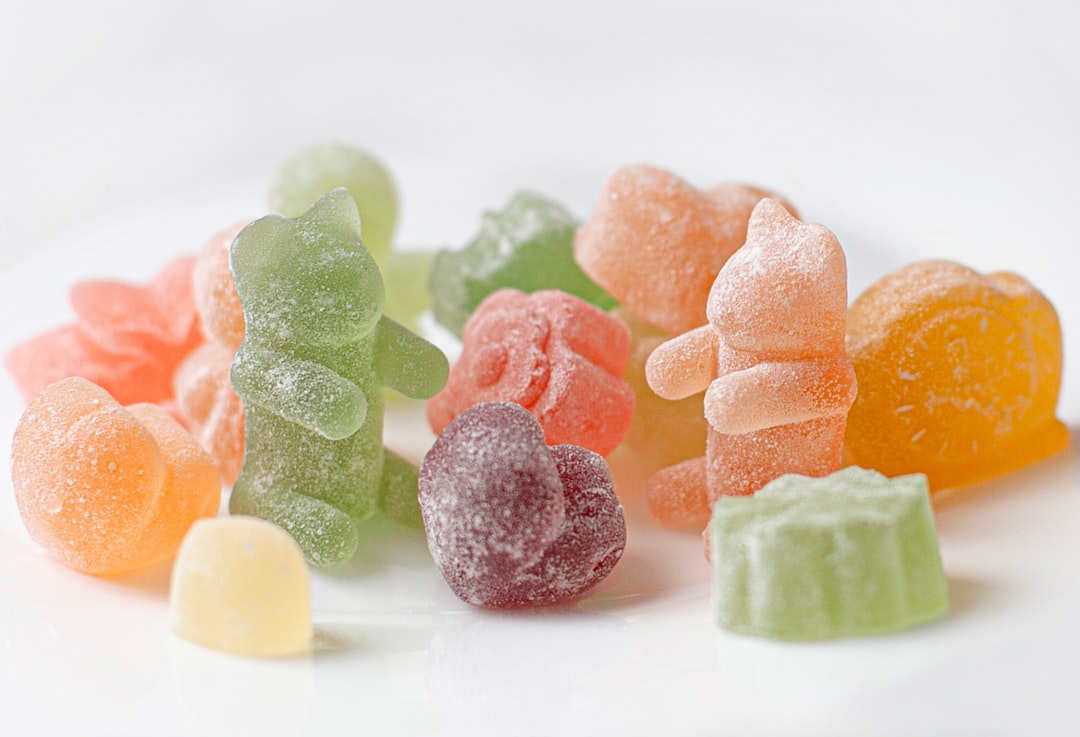
Why this matters: With the November 12, 2026 federal deadline eliminating most intoxicating hemp products, smoke shops need reliable replacement categories. Functional mushroom gummies offer strong margins, minimal regulatory risk, and appeal to wellness-focused customers who might not have walked into your store two years ago.
What Functional Mushroom Gummies Actually Are
Functional mushroom gummies contain extracts from non-psychedelic mushroom species marketed for health and wellness benefits. These are not psilocybin products — they’re legal supplements derived from mushrooms like lion’s mane, reishi, cordyceps, chaga, and turkey tail.
The category has exploded in mainstream retail over the past three years, but smoke shops have been slower to adopt. That’s changing fast as operators look for products that:
- Don’t trigger the same compliance headaches as cannabinoids or kratom
- Appeal to the “wellness customer” browsing your CBD section
- Offer comparable margins to what you were getting on THCA or delta-8
Common formulations include single-mushroom products (lion’s mane for focus, reishi for sleep) and multi-mushroom blends targeting energy, immunity, or stress support.
The Regulatory Landscape
Functional mushroom gummies fall under FDA regulation as dietary supplements, not controlled substances. This means they’re subject to the Dietary Supplement Health and Education Act (DSHEA) rather than state-level bans or scheduling.
Key compliance points:
- No state or federal bans on non-psychedelic functional mushrooms
- Must comply with FDA labeling requirements (ingredient lists, supplement facts panels, no disease claims)
- Cannot make therapeutic claims (“treats anxiety” or “cures insomnia”) — only structure/function claims (“supports relaxation” or “promotes focus”)
- Generally do not require age verification, though some retailers apply a blanket 18+ or 21+ policy
This is a significantly lighter compliance burden than what you’re managing with kratom legality tracking or the looming November 2026 hemp deadline. You’re not monitoring state bills or worrying about emergency scheduling.
That said, verify your supplier is using properly labeled products with third-party testing. The FDA has issued warning letters to mushroom supplement companies making prohibited health claims or selling adulterated products. Stick with brands that provide certificates of analysis (COAs) showing identity testing and heavy metal screens.
Want to check regulations for your specific location? Use our free Product Intel tool — enter your state and county for a report in 30 seconds.
Margins and Pricing
Functional mushroom gummies typically land in the same pricing tier as premium CBD gummies or nootropic supplements.
Wholesale cost: $6–$12 per 30-count bottle, depending on mushroom type and extract concentration
Retail price: $18–$35 per bottle
Target margin: 60–70%, comparable to what you should be hitting on CBD isolate or kava products
Multi-mushroom blends and higher-dose formulations command the top end of that range. Lion’s mane and cordyceps products tend to move faster than reishi or chaga in smoke shop environments — customers associate them with energy and focus rather than sleep or immunity.
Budget brands are entering the market at lower price points, but this isn’t a category where you want to compete on price. The customer buying functional mushrooms is looking for quality and efficacy, not the cheapest option. Stock mid-tier and premium brands with strong packaging and clear labeling.
Stocking Strategy
Treat functional mushroom gummies as a bridge product between your CBD section and whatever nicotine or herbal products you carry up front. They appeal to:
- Former THCA buyers looking for legal wellness alternatives
- CBD customers who want non-cannabinoid options
- Kratom buyers in banned states seeking focus or energy products
- Kava customers interested in other plant-based supplements
Recommended starter assortment (4–6 SKUs):
- Lion’s mane gummies (focus/cognitive support)
- Cordyceps gummies (energy/endurance)
- Reishi gummies (relaxation/sleep support)
- Multi-mushroom blend (immunity or general wellness)
Display them near CBD, kava, or kratom — not buried in a corner with incense and cleaning supplies. Use shelf talkers or signage explaining what each mushroom type targets. Most customers won’t know the difference between lion’s mane and reishi without guidance.
Avoid overstocking until you see how your customer base responds. Start with one or two bottles per SKU and reorder based on velocity. Shelf life is typically 18–24 months, but you want to move product within 90 days to keep inventory fresh.
Supplier and Brand Considerations
The functional mushroom market has attracted both serious supplement manufacturers and fly-by-night operators slapping mushroom extract into generic gummies. Here’s what to look for:
Extract type: Fruiting body extracts are generally higher quality than mycelium-on-grain products. Fruiting body contains higher concentrations of the active compounds (beta-glucans, triterpenoids) customers are buying the product for.
Third-party testing: COAs should confirm mushroom identity and test for heavy metals, pesticides, and microbial contaminants. Avoid suppliers who can’t provide current lab reports.
Label clarity: Ingredients should list the mushroom species and extract ratio (e.g., “Lion’s Mane Extract 10:1”). Vague terms like “mushroom blend” or “proprietary formula” are red flags.
Brand reputation: Established supplement brands entering the mushroom category (e.g., Om Mushroom, Host Defense, FreshCap) bring existing customer trust. Smoke-shop-specific brands are emerging but vet them carefully.
Some distributors are bundling functional mushroom gummies with kava or CBD — if you’re already ordering from a wellness-focused distributor, ask what mushroom SKUs they carry before opening a new supplier account.
What Customers Are Asking
Train your counter staff on basic talking points. Customers will ask how functional mushrooms compare to CBD, kratom, or nootropic supplements.
Not psychedelic: Make this clear up front. Customers sometimes confuse functional mushrooms with psilocybin products, especially if they’ve seen headlines about psychedelic therapy.
Effects are subtle: These aren’t one-dose-and-you-feel-it products like kratom or THCA. Benefits build over consistent use (days to weeks). Set expectations accordingly.
Complement, not replacement: Position mushroom gummies as something customers can stack with CBD, kava, or other wellness products — not necessarily a direct substitute for kratom or cannabinoids.
If your staff can’t speak to product benefits, customers will walk out or buy from a supplement store instead. A 30-second explanation at the counter converts browsers into buyers.
What to Watch
Market saturation: Functional mushroom products are entering gas stations, grocery stores, and online marketplaces. Differentiate by stocking higher-quality brands and educating customers, not by racing to the bottom on price.
Amanita muscaria confusion: Some vendors sell gummies containing Amanita muscaria (fly agaric) mushroom extract, which is psychoactive and exists in a legal gray area. These are not functional mushrooms in the wellness sense and carry significantly higher regulatory risk. Avoid them unless you’re specifically targeting that niche and understand the compliance implications.
FDA enforcement: The agency has been relatively hands-off with functional mushroom supplements, but that could change if companies make egregious health claims or if adulteration becomes widespread. Stick with reputable suppliers.
Customer crossover with kava: Shops reporting strong kava sales also tend to see faster uptake on functional mushroom products. Both appeal to the wellness-curious customer who’s exploring alternatives to alcohol, kratom, or cannabinoids.
Post-November 2026 demand: Once the federal hemp deadline eliminates THCA and delta-8, you’ll need replacement SKUs that hold shelf space and drive margin. Functional mushroom gummies are one piece of that puzzle, alongside kava beverages, nicotine pouches, and natural wraps like King Palm.
Actionable Takeaways
- Start with 4–6 SKUs focused on lion’s mane, cordyceps, reishi, and a multi-mushroom blend
- Target 60–70% margins; retail pricing should land between $18–$35 per bottle
- Display near CBD or kava to capture wellness-focused traffic
- Verify suppliers provide third-party COAs and use fruiting body extracts
- Train counter staff to explain the difference between functional and psychedelic mushrooms
- Position as a complement to existing wellness products, not a direct kratom or hemp replacement
- Monitor inventory velocity closely in the first 90 days before committing to deep stock
FAQ
Are functional mushroom gummies legal in all states?
Yes. Non-psychedelic functional mushrooms like lion’s mane, reishi, cordyceps, and chaga are legal federally and in all 50 states. They’re regulated as dietary supplements, not controlled substances. Avoid Amanita muscaria products, which occupy a different legal category.
What’s the difference between functional mushrooms and psilocybin?
Functional mushrooms (lion’s mane, reishi, etc.) contain no psilocybin or psilocin and are not psychedelic. They’re sold for wellness benefits like focus, energy, and immune support. Psilocybin mushrooms remain Schedule I controlled substances federally and are illegal in most states.
Do I need to age-verify functional mushroom gummy sales?
There’s no federal or state requirement to age-verify functional mushroom supplements, but some retailers apply a blanket 18+ or 21+ policy to all ingestible products. Check your store’s policy and local ordinances.
What margin should I target on functional mushroom gummies?
Aim for 60–70% margin, similar to premium CBD or kava products. Wholesale cost typically runs $6–$12 per 30-count bottle; retail pricing should land between $18–$35 depending on formulation and brand positioning.
Can I stock functional mushroom gummies alongside kratom or CBD?
Yes. Many shops display functional mushrooms in or near their CBD, kava, or kratom sections to capture wellness-focused customers. Just make sure signage clearly differentiates product types so customers understand what they’re buying.