Why This Matters
Cloud 9 Smoke Shop operates multiple locations across several states and has built a recognizable brand in a fragmented market. Whether you’re competing with a Cloud 9 location directly or simply looking to strengthen your own operation, understanding how larger chains approach product assortment, compliance, vendor relationships, and customer experience offers practical takeaways for independent retailers.
This isn’t about copying a franchise playbook wholesale. It’s about identifying which strategies scale down effectively and where independents maintain structural advantages.
The Cloud 9 Model: What They’re Doing
Cloud 9 positions itself as a one-stop smoke shop carrying glass, vaporizers, kratom, CBD, rolling papers, hookahs, and accessories. Their footprint spans states with varying regulatory environments, which means they’ve had to build compliance processes that accommodate local rules on age verification, product restrictions, and licensing.
Store Format and Layout
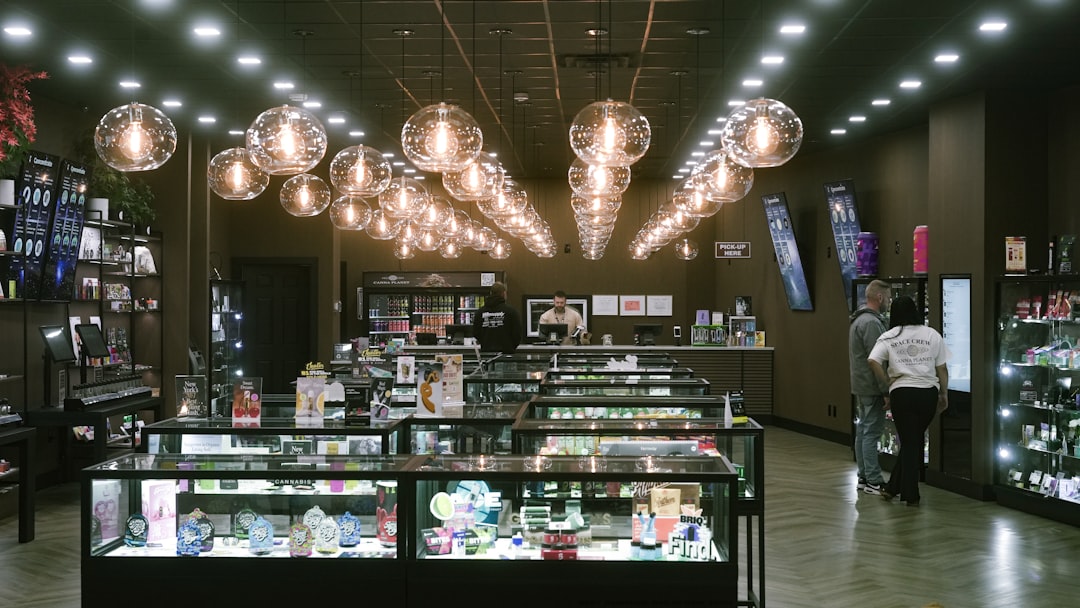
Most Cloud 9 locations follow a standardized layout designed for browsing and upselling. Glass and higher-ticket items sit behind counters or in locked cases. Accessories, papers, and consumables are merchandised on open shelving near the register to encourage add-ons.
Key observation: The layout prioritizes loss prevention and labor efficiency. Staff can monitor the entire store from the register, and high-value inventory stays secure without requiring additional floor staff.
For independent operators, the lesson is straightforward—optimize sightlines and reduce blind spots. If your current layout requires two people on the floor during busy periods just for theft prevention, you’re burning margin.
Product Assortment Strategy
Cloud 9 stocks a wide net: mainstream brands with proven sell-through alongside house-branded or white-label items. This is a hedge strategy. Branded products (Raw, Grav, Puffco, Storz & Bickel) draw foot traffic and build credibility. Private-label or lesser-known brands offer better margins.
Independent shops often lean too far in one direction—either chasing every trend with no margin discipline, or stocking only high-margin no-name products that don’t move. The balanced approach works because it addresses different customer segments in one trip.
Margin reality check: Established brands like Raw or Elements typically carry 30-40% margins for retailers. White-label or bulk-buy accessories can hit 60-70%, but only if they actually sell. Dead inventory at 70% margin is worse than fast-turning inventory at 35%.
Compliance as a Baseline
Operating in multiple states forces standardization around compliance. Cloud 9 locations enforce strict age verification (typically 21+, regardless of state law), train staff on local product restrictions, and maintain clear signage.
This isn’t optional infrastructure anymore. Even if you’re a single-location independent, building compliance processes now protects you from costly violations and prepares you for regulatory tightening.
What to implement:
- Digital age verification logs (many POS systems include this)
- Staff training documentation with sign-off sheets
- Quarterly reviews of state and local regulations
- Vendor compliance letters for CBD and kratom products
Your state regulator won’t care that you’re small. Violations cost the same regardless of store count.
Where Independents Have the Edge
Franchises and chains bring resources and brand recognition, but they also carry structural disadvantages that independent operators can exploit.
Vendor Flexibility
Cloud 9 likely negotiates pricing based on multi-location volume, but they’re also constrained by centralized buying decisions. If a new product drops and gains traction locally, a franchise location may need approval or wait for the next corporate order cycle.
Independent shops can test new products immediately, build direct relationships with local or regional vendors, and adjust inventory mix by the week instead of by the quarter.
Actionable tactic: Cultivate relationships with 2-3 regional distributors who can get you product fast. When a customer asks for something you don’t carry, have it on the shelf within a week. That responsiveness builds loyalty chains can’t match.
Local Market Knowledge
A franchise operates on averages—stocking what works across locations. You can stock what works in your zip code. If your customer base skews toward concentrate users, you can carry a deeper selection of dab tools, torches, and rigs than a corporate buyer would approve.
If kratom is huge in your market but dead two counties over, you can dedicate premium shelf space to it without justifying the decision to a regional manager.
Customer Relationships
Chain stores train for consistency, which often means transactional interactions. Independent operators who invest in customer relationships create switching costs that price and convenience can’t easily overcome.
This doesn’t mean being everyone’s best friend. It means remembering what a regular bought last time, knowing when new products arrive that fit their preferences, and providing actual product education instead of reading off a spec sheet.
Product Category Insights for 2025
Understanding what’s moving in shops like Cloud 9 helps inform your own buy decisions.
Vaporizers: Market Maturity
Dry herb vaporizers have matured. Devices like the Pax, Crafty+, and DynaVap have established customer bases, but unit growth has slowed. Concentrate vaporizers and electronic dab rigs (Puffco Peak, Dr. Dabber) continue to see growth, especially in states with legal concentrate markets.
Buyer consideration: Don’t overstock entry-level dry herb vapes hoping for 2018-level demand. Focus inventory on replacement parts, concentrate devices, and premium tier where margins hold.
Kratom and CBD: Regulatory Scrutiny
Both categories remain strong sellers, but regulatory pressure is increasing. Several states have moved to ban or restrict kratom, and FDA enforcement around CBD health claims continues.
If you carry these categories, you need vendor compliance documentation. That means COAs (certificates of analysis), product liability insurance verification, and ideally third-party lab testing results you can show during an inspection.
Risk management: Establish a vendor qualification process. If a supplier can’t provide COAs or dodges questions about testing, walk away. The short-term margin isn’t worth the long-term liability.
Glass: Premiumization Trend
Functional glass continues its shift toward premium. Customers increasingly view pieces as investments rather than consumables, which means they’re willing to pay for American-made, artist-signed, or limited-edition work.
Cloud 9 and similar chains stock entry and mid-tier glass because it fits their model, but they can’t compete on premium or custom pieces. This is an opportunity gap for independents with local artist relationships or consignment programs.
Rolling Papers and Wraps: The Consistent Foundation
Papers and wraps remain the bread-and-butter category—high turn, steady demand, low per-unit margin but strong aggregate contribution. Raw dominates, but there’s room for alternatives (Elements, OCB, High Hemp wraps) if you educate customers on differentiators.
Stocking tip: Carry your top 3-4 SKUs in depth (never run out of Raw Black King Size), then rotate 2-3 “challenger” SKUs quarterly to capture customers looking for variety.
Operational Takeaways: What to Implement
Standardize Your High-Volume Processes
Cloud 9’s consistency comes from process standardization. You don’t need a franchise manual, but you should document how you handle:
- Opening and closing procedures
- Cash handling and drops
- Inventory receiving and verification
- Customer ID checks
- Incident reporting (theft, suspected minors, compliance issues)
If you can’t take a day off without fielding calls, your processes aren’t documented well enough.
Invest in POS Data
Chains live in their data. Independent operators often fly blind. Your POS system tracks what sells, what sits, margin by category, and customer purchase patterns—if you actually use it.
Monthly habits to build:
- Review sell-through rate by category
- Identify dead inventory (anything sitting 90+ days)
- Track margin percentage by vendor
- Monitor basket size and attachment rate for accessories
Build a Compliance Calendar
Set recurring calendar reminders:
- Monthly: Review ID scanning logs
- Quarterly: Update staff on regulatory changes
- Bi-annually: Audit vendor compliance documentation
- Annually: Review business licenses and permits
This prevents the scramble when an inspector shows up unannounced.
What to Watch in 2025
Local licensing requirements: More jurisdictions are implementing specific smoke shop or tobacco retailer licenses with associated fees and compliance requirements. Monitor your city and county for new ordinances.
Kratom regulation: Federal scheduling attempts have failed so far, but state-level bans continue. If kratom is a significant revenue category, have a contingency plan.
Vape hardware restrictions: Ongoing litigation around flavor bans and device restrictions creates uncertainty. Stay connected with industry groups (SFATA, VTA) for real-time updates.
Hemp-derived cannabinoids: Products like Delta-8, HHC, and THCA flower exist in regulatory gray areas. Enforcement is inconsistent, but risk is real. If you carry these, make sure your liability insurance covers them explicitly.
Competition from convenience and gas stations: As smoke shop products become more mainstream, expect continued encroachment from c-stores carrying papers, basic vapes, and disposables. Your advantage is selection depth and knowledge—lean into it.
FAQ
How does Cloud 9 Smoke Shop maintain consistent pricing across locations?
Most franchise operations use centralized pricing with occasional regional adjustments. They benefit from volume purchasing but sacrifice local market flexibility. Independent retailers can adjust pricing based on immediate local competition and cost changes more quickly.
What’s the typical product margin in a smoke shop like Cloud 9?
Margins vary significantly by category. Rolling papers and basic accessories typically run 30-40%, glass can range from 40-60% depending on source, vaporizers often sit at 25-35% on major brands, and private-label or generic accessories can reach 60-70%. Overall blended margin for a well-run shop typically falls between 40-50%.
Do I need the same compliance processes as a multi-location chain?
Yes. Regulatory enforcement doesn’t scale based on business size. Age verification documentation, product compliance records, and staff training requirements apply equally to single-location independents. The processes can be simpler, but they need to exist.
How do chains like Cloud 9 choose new locations?
Site selection typically considers traffic counts, demographics (age, income), proximity to complementary businesses (vape shops, convenience stores), local competition density, and regulatory environment. Independents should use similar criteria when evaluating new locations or assessing whether their current site is optimized.
What’s the biggest competitive advantage independent smoke shops have over chains?
Flexibility and customer relationships. Independent operators can adjust inventory weekly, build direct vendor relationships, stock for micro-local demand patterns, and create customer loyalty through personalized service that franchise operations can’t systematically replicate. The key is actually leveraging these advantages rather than trying to compete on price or convenience where chains have structural benefits.