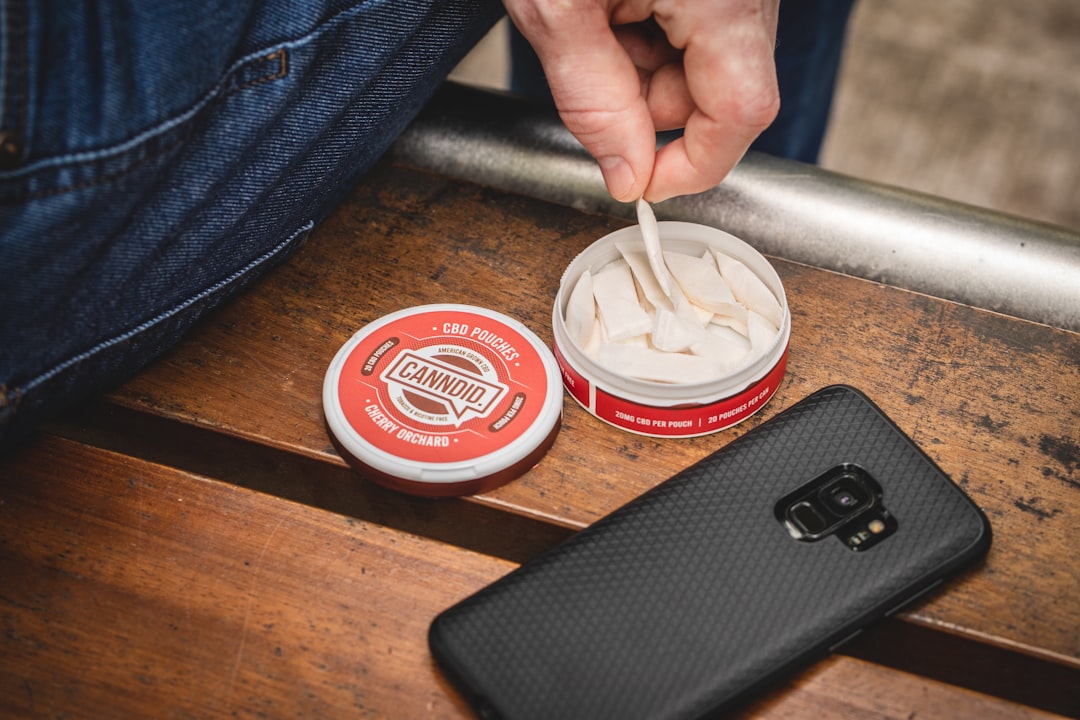
TL;DR: Nicotine pouches are a high-margin, low-compliance-risk category that brings in crossover customers from vape, tobacco, and wellness demographics. Top brands like ZYN, on!, VELO, and Rogue dominate, but emerging players offer better wholesale pricing. Stock a range of strengths (3–6 mg for switchers, 6–12 mg for heavy users), rotate flavors quarterly, and prioritize visibility at checkout. Most states treat pouches like tobacco—age verification is mandatory, but flavor and tax rules vary.
Why Nicotine Pouches Matter for Your Store
Nicotine pouches hit the U.S. market in 2016, but the category didn’t explode until 2020. By 2026, they’re one of the fastest-growing segments in smoke shops, c-stores, and vape retailers—often outpacing disposable vape sales in markets with flavor bans or high vape taxes.
The appeal is straightforward: pouches are discreet, spit-free, don’t require combustion or charging, and work in places where smoking and vaping are banned. For shop owners, they’re a high-turn, shelf-stable product with gross margins between 30% and 50%, depending on your distributor relationship.
Unlike vaping hardware (which faces mounting regulatory pressure), nicotine pouches occupy a more stable legal category in most jurisdictions. They’re typically regulated as tobacco products under state law, meaning you already have the infrastructure—age verification, signage, tax collection—to carry them.
But “best” is relative. The right product mix depends on your customer base, local regulations, and whether you’re competing with gas stations or positioning as a premium alternative destination.
Regulatory Landscape: What You Need to Know
Nicotine pouches are federally regulated by the FDA under the Family Smoking Prevention and Tobacco Control Act. As of 2026, most major brands have submitted Premarket Tobacco Product Applications (PMTAs), but very few have received Marketing Granted Orders (MGOs). The FDA has been slow to act, and enforcement against pouches without authorization has been minimal compared to vapes.
State and Local Rules
Most states classify nicotine pouches as “tobacco products” or “other tobacco products” (OTP), which triggers:
- 21+ age verification (19+ in a handful of states).
- Tobacco retail licensing requirements.
- Excise taxes, which vary widely. Some states tax by weight, others by wholesale price, and a few apply per-unit taxes.
- Flavor bans in California, Massachusetts, New York (depending on local ordinance), and parts of other states. In flavor-ban markets, only mint, menthol, and unflavored are legal—though menthol itself is banned in some localities.
A few states still have ambiguous rules. Montana, for example, has debated whether synthetic nicotine pouches (versus tobacco-derived) fall under tobacco law. The 2022 federal synthetic nicotine fix closed most loopholes, but state definitions can lag.
Bottom line: Verify your jurisdiction’s tobacco product definition, licensing requirements, and flavor rules before stocking. Want to check regulations for your specific location? Use our free Product Intel tool—enter your state and county for a report in 30 seconds.
Compliance Checklist
- Age-gate at point of sale (ID scan recommended).
- Display tobacco license where visible.
- Keep pouches behind the counter or in a locked case if required by local ordinance.
- Don’t make health claims (“safer than smoking,” “quit smoking with this”). The FDA prohibits modified-risk claims without authorization.
- Track nicotine content and labeling. Some states require nicotine warnings; all require ingredient disclosure under federal law.
Top Nicotine Pouch Brands and What Sets Them Apart
ZYN (Swedish Match / Philip Morris International)
Market leader. ZYN owns roughly 70% of U.S. nicotine pouch sales as of early 2026. It’s the brand customers ask for by name, especially in the 6 mg strength range.
- Strengths: 3 mg and 6 mg (most popular).
- Flavors: Wintergreen, Spearmint, Peppermint, Citrus, Coffee, Cinnamon, Cool Mint, Smooth (unflavored).
- Retail pricing: Typically $4.99–$6.99 per 15-count can, depending on market.
- Margins: 30–40% at wholesale, but distribution can be tight. Some wholesalers allocate product during shortages.
Why stock it: Non-negotiable. If you don’t carry ZYN, customers will walk. It’s the gateway brand for switchers.
Downside: Brand dominance means lower negotiating power. Wholesale pricing is firm, and promotional support is limited unless you’re a chain account.
on! (Altria)
Second-place contender. Altria (parent of Marlboro) acquired on! in 2019 and has pushed it aggressively through tobacco distributors.
- Strengths: 2 mg, 4 mg, and 8 mg (on! PLUS line goes up to 10 mg in some flavors).
- Flavors: Berry, Citrus, Cinnamon, Coffee, Mint, Wintergreen, and limited editions.
- Retail pricing: $3.99–$5.99 per 20-count can.
- Margins: 35–45%, with better promotional allowances than ZYN.
Why stock it: Price-conscious alternative to ZYN. The 2 mg and 4 mg strengths appeal to light users and first-timers. Altria’s distribution muscle makes it widely available.
Merchandising tip: Position on! next to ZYN at checkout. Many customers will switch if ZYN is out of stock or if on! is on promotion.
VELO (BAT / Reynolds American)
International heavyweight. VELO is British American Tobacco’s global pouch brand, with strong presence in Europe and growing traction in the U.S.
- Strengths: 2 mg, 4 mg, and 7 mg.
- Flavors: Mint, Wintergreen, Citrus, Dragon Fruit, Cinnamon, Coffee, Peppermint.
- Retail pricing: $4.49–$5.99 per 20-count can.
- Margins: 35–42%.
Why stock it: Strong brand recognition among international customers and younger adult demographics. VELO invests heavily in digital marketing, which drives foot traffic.
Rogue (Swisher International)
Value play with higher nicotine options. Rogue entered the market in 2019 and has carved out a niche with strength-focused users.
- Strengths: 3 mg, 6 mg, and 12 mg (Rogue’s 12 mg is among the highest available in major retail).
- Flavors: Peppermint, Wintergreen, Mango, Apple, Honey Lemon, Berry.
- Retail pricing: $3.99–$5.49 per 20-count can.
- Margins: 40–50%, especially on direct wholesale accounts.
Why stock it: Appeals to heavy nicotine users transitioning from dip or high-mg vapes. The 12 mg strength is a differentiator.
FRĒ (FRĒ Brands)
Premium positioning. FRĒ markets itself as a lifestyle brand with higher-end packaging and flavors.
- Strengths: 3 mg, 6 mg, 9 mg, 12 mg, and 15 mg (highest on the market).
- Flavors: Lush (mint), Wintergreen, Sweet (fruit blend), Mocha.
- Retail pricing: $5.49–$6.99 per 20-count can.
- Margins: 38–45%.
Why stock it: If you cater to a premium or wellness-adjacent demographic, FRĒ’s branding and extra-strength options stand out. The 15 mg strength is overkill for most, but it creates a halo effect.
Regional and Emerging Brands
- Juice Head: Crossover brand from the vape world. Strong flavor profiles, 6 mg and 12 mg.
- Black Buffalo: Tobacco-free (but nicotine-containing) pouches positioned as a dip alternative. Popular with rural and Southern markets.
- Zafari: Swedish-style pouches with natural flavors. Lower volume, but strong repeat purchase among enthusiasts.
- Nordic Spirit: Another BAT brand, less common in the U.S. but available through some distributors.
Buyer’s tip: Stock 2–3 core brands (ZYN, on!, one alternative) and rotate a fourth slot quarterly to test new entrants or local favorites. Don’t over-diversify—dead inventory in pouches ties up capital and shelf space.
Stocking Strategy: Strengths, Flavors, and SKU Count
Strength Segmentation
- 3 mg and under: First-timers, social users, people transitioning from low-nicotine vapes. Slower turn, but expands your base.
- 6 mg: Sweet spot. Highest volume. Stock deep.
- 8–12 mg: Heavy users, former dip/snus customers, high-mg disposable vape users. Growing segment, especially in states with vape flavor bans.
- 15 mg+: Niche. Stock only if you see repeat requests.
Rule of thumb: 60% of your pouch inventory should be 6 mg, 20% in 3–4 mg, 20% in 8–12 mg. Adjust based on your market—college towns skew lower, blue-collar areas skew higher.
Flavor Mix
Mint and wintergreen dominate. If you stock only three flavors across all brands, make them:
- Mint or cool mint
- Wintergreen
- Citrus or fruit blend
Rotate seasonal or limited flavors (coffee, cinnamon) in Q4 for variety, but don’t commit deep inventory to unproven SKUs.
Flavor ban markets: Stock unflavored (if available) and whatever mint/menthol exceptions your state allows. Some customers will drive to neighboring jurisdictions or switch to unflavored—keep both options visible.
Shelf Space and Placement
- Impulse category. Pouches belong at or near checkout, ideally in a locking acrylic display or behind-counter riser.
- Visibility beats variety. A well-lit, organized display of 8 SKUs will outsell a cluttered drawer of 20.
- Cross-merchandise with vapes and lighters. Many pouch buyers are dual users.
- Signage matters. “Tobacco-free” and “spit-free” are strong callouts for new customers. List strengths and flavors clearly.
Margins, Pricing, and Promotions
Wholesale Costs and Margins
- Typical wholesale cost: $2.50–$4.00 per can, depending on brand and distributor.
- Suggested retail: $4.99–$6.99 per can.
- Gross margin: 30–50%.
ZYN and on! have tighter margins because of brand power. Rogue, FRĒ, and emerging brands often offer better wholesale pricing or volume discounts to gain shelf space.
Promotional Tactics
- Multi-can discounts: “3 for $15” or “Buy 2, Get 1 Half Off.” Drives basket size and trial of new flavors.
- Loyalty punch cards: Some shops offer a free can after 10 purchases. Works well in markets with strong repeat traffic.
- Bundling: Pair a can of pouches with a disposable vape or energy drink at a slight discount. Increases transaction value.
- Distributor promos: Watch for manufacturer rebates, especially from on! and VELO. Altria and BAT periodically run BOGO or rebate programs through wholesalers.
Pricing strategy: Don’t race to the bottom. Gas stations win on price and convenience. Position your shop on selection, strength variety, and knowledgeable staff who can recommend the right product.
What to Watch: Trends and Category Shifts
1. Vape-to-Pouch Migration
Flavor bans, disposable vape taxes, and battery/charger fatigue are pushing users toward pouches. If your state restricts vape flavors, expect pouch sales to spike.
2. Higher Nicotine Tolerance
Average nicotine strength is creeping up. Five years ago, 3 mg was standard. In 2026, 6 mg is the baseline and 8–12 mg is common. Stock accordingly.
3. Wellness and “Tobacco-Free” Positioning
Brands like Black Buffalo and FRĒ emphasize tobacco-free nicotine (derived from non-tobacco sources). This appeals to health-conscious buyers, even though the regulatory category is the same.
4. Flavor Innovation
Expect more crossover from beverage and confection trends: tropical fruits, dessert flavors, energy-drink-inspired blends. Test cautiously—novelty doesn’t always mean repeat purchase.
5. Retailer Consolidation and Exclusives
Some distributors and chains are locking in exclusive SKUs or private-label pouches. If you’re independent, differentiate with service and education, not just product access.
What to Stock Instead: Alternatives and Adjacencies
If nicotine pouches face restrictions in your market—or if you’re looking to diversify beyond tobacco regulation—consider these adjacencies:
- Kava beverages and shots: Non-tobacco, legal alternative that appeals to wellness and relaxation seekers. Growing category in smoke shops.
- Functional mushroom products: Lion’s mane, cordyceps, reishi. Overlapping customer base with pouches (performance, focus, calm).
- Herbal smoking blends: For customers avoiding nicotine entirely.
- CBD isolate products: Especially in markets where THCA and Delta-8 are banned or face restrictions (remember the November 12, 2026 federal hemp deadline under Public Law 119-37).
FAQ
Q: Do I need a tobacco license to sell nicotine pouches?
In most states, yes. Nicotine pouches are classified as tobacco products or other tobacco products (OTP), which requires a state tobacco retail license. A few states have ambiguous definitions—check your state’s tobacco control or revenue department, or use a regulation research tool to confirm.
Q: What’s the shelf life of nicotine pouches?
Typically 12–18 months from manufacture if stored in a cool, dry place. Pouches don’t require refrigeration, but heat and humidity degrade nicotine and flavor. Rotate stock and check expiration dates during inventory.
Q: Can I sell nicotine pouches online?
Yes, but you must comply with the PACT Act (Prevent All Cigarette Trafficking), which requires age verification, shipping restrictions (USPS is banned for most tobacco products), and monthly reporting to state tax authorities. Most single-location shops avoid online sales due to compliance complexity.
Q: Are nicotine pouches safer than cigarettes or vapes?
From a regulatory standpoint, you cannot make comparative risk claims without FDA authorization. Nicotine pouches do not involve combustion or aerosol, which removes certain exposure routes, but nicotine itself is addictive and has cardiovascular effects. Frame conversations around customer preference, not health claims.
Q: What nicotine strength should I recommend to a new customer?
Ask what they currently use. If they’re switching from cigarettes or high-nicotine disposables (50 mg/mL), start them at 6 mg pouches. If they’re light vapers or social smokers, 3 mg is safer. Emphasize that they can always move up if it’s not satisfying. Better to under-dose and have them return than over-dose and create a bad first experience.