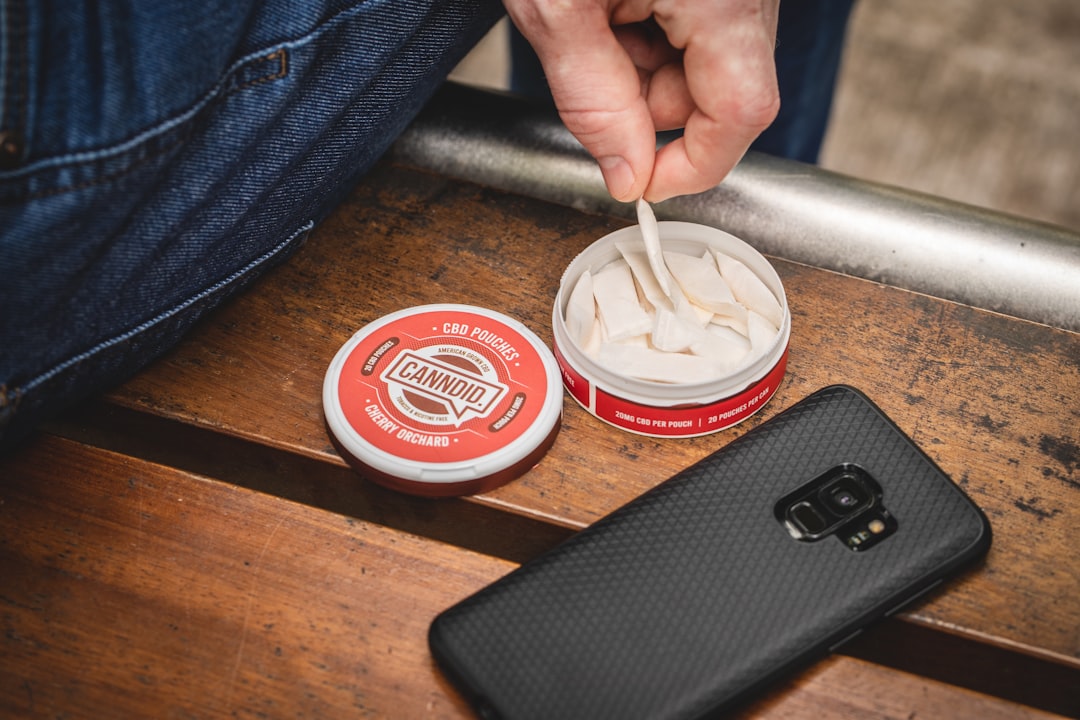
TL;DR: ALP nicotine pouches are a newer entry in the tobacco-free nicotine pouch category. While the market is dominated by ZYN and on!, ALP offers competitive wholesale pricing and a similar product profile. For shop owners, the key questions are margin structure, supplier reliability, and whether adding another SKU makes sense when shelf space is already tight. This guide covers compliance basics, stocking considerations, and what sets ALP apart (or doesn’t) from established brands.
Why Nicotine Pouches Matter for Your Shop
Nicotine pouches have become one of the fastest-growing categories in smoke and vape retail over the past three years. The segment appeals to nicotine users looking for smoke-free, spit-free, and discreet options — and it’s brought in customers who might not traditionally shop for combustible tobacco or vaping products.
From an operator perspective, pouches check several boxes:
- High turns. Regular users buy weekly or bi-weekly.
- Regulatory stability. Unlike THCA or kratom, nicotine pouches face relatively clear federal and state frameworks (more on compliance below).
- Impulse-friendly. Small form factor, easy POS placement, good margins.
The challenge is that the category is now saturated. ZYN owns roughly 75% of market share, followed by on!, Velo, Rogue, and a growing list of smaller entrants. ALP is one of those smaller players trying to carve out space with competitive pricing and broad flavor offerings.
What Is ALP?
ALP nicotine pouches are tobacco-free nicotine pouches manufactured and distributed by a network of suppliers targeting independent smoke shops, convenience stores, and vape retailers. The brand launched in the U.S. market within the last 18–24 months and positions itself as a value-tier alternative to premium brands like ZYN.
Product specs:
- Nicotine strengths: Typically 3 mg, 6 mg, and 9 mg per pouch
- Flavor lineup: Mint, wintergreen, citrus, berry, coffee, and unflavored options
- Pouch count: Standard 20-count tins
- Pricing: Wholesale cost generally ranges from $2.50–$3.50 per tin depending on order volume
ALP’s pitch to retailers is straightforward: same basic product format as the category leaders, but with better wholesale pricing and fewer minimum-order constraints.
Compliance and Age Verification
Nicotine pouches fall under the jurisdiction of the FDA’s Center for Tobacco Products because they contain nicotine derived from tobacco (even though the pouches themselves are tobacco-free). This means:
- 21+ age verification required at point of sale (federal Tobacco 21 law)
- State and local tobacco retailer licensing applies in most jurisdictions
- Flavor restrictions may apply depending on your state or municipality (e.g., California’s SB 793 bans flavored tobacco products, including nicotine pouches, with some local exemptions)
Key compliance steps for stocking ALP or any nicotine pouch brand:
- Ensure your tobacco retail license covers nicotine pouches (some states classify them separately).
- Verify that your POS system prompts age verification for nicotine products.
- Check whether your state or city has flavor bans that would restrict mint, fruit, or other non-tobacco flavors.
- Review your distributor’s invoicing and product labeling to confirm the product meets FDA manufacturing practice standards (while the FDA has not required premarket authorization for most pouches yet, compliant labeling and sourcing documentation protect you in case of enforcement).
Want to check regulations for your specific location? Use our free Product Intel tool — enter your state and county for a report in 30 seconds.
What about PMTA? As of mid-2024, the FDA has not issued a comprehensive premarket tobacco product application (PMTA) enforcement deadline for nicotine pouches the way it did for e-cigarettes. Most pouches on the market, including ALP, do not yet have PMTA authorization. Enforcement has been inconsistent, but the risk exists. Ask your distributor whether they have PMTA applications pending and what their plan is if the FDA shifts enforcement priorities.
Stocking Considerations: Does ALP Deserve Shelf Space?
Adding a new brand to your nicotine pouch set means either expanding the category footprint or dropping an existing SKU. Here’s how to evaluate whether ALP makes sense for your mix.
Margin Structure
ALP’s primary selling point to retailers is better wholesale cost compared to ZYN. Typical margin comparison:
- ZYN: Wholesale $3.50–$4.50/tin, retail $6–$8, margin 40–50%
- on!: Wholesale $3.00–$4.00/tin, retail $5–$7, margin 40–45%
- ALP: Wholesale $2.50–$3.50/tin, retail $5–$7, margin 45–55%
If your distributor offers ALP at the lower end of that range, you can either preserve margin or use the cost advantage to undercut competitors on price. The trade-off is brand recognition — ZYN’s dominance means it moves faster, while ALP requires more customer education or promotion.
Customer Pull vs. Push
ZYN has customer pull. People ask for it by name. You stock it because customers expect it.
ALP is a push product. You need to prompt the purchase (“We also carry ALP, which is the same format and a dollar cheaper”) or rely on impulse and price-sensitive buyers.
If your customer base includes a significant number of regular nicotine pouch users, a lower-priced alternative can drive incremental sales. If most of your pouch sales are single-tin impulse buys from infrequent users, brand recognition matters more, and ALP may sit.
Supplier Reliability
ALP is distributed through regional wholesalers and smaller distributors, not the major tobacco/nicotine channels that carry ZYN or on!. This can create restocking delays or inconsistent availability.
Questions to ask your distributor before committing shelf space:
- What’s the lead time for restock orders?
- Do you carry the full flavor range, or only select SKUs?
- Is there a minimum order quantity or case-pack requirement?
- What’s your return or credit policy for expired or unsold product?
If your distributor can’t guarantee consistent availability, ALP becomes a risky SKU — you don’t want a gap on the shelf when a customer asks for the product a second time.
How ALP Compares to Category Leaders
ALP vs. ZYN
ZYN advantages:
- Dominant market share and brand recognition
- Consistent availability through major distributors
- Premium positioning supports higher retail price
ALP advantages:
- Lower wholesale cost improves margin or supports price promotions
- Broader flavor selection in some regions (depending on distributor)
- Smaller MOQs can reduce initial inventory risk
Bottom line: ALP is not going to replace ZYN in your mix. It can complement it as a value option or serve as a hedge if ZYN supply tightens (which has happened periodically due to demand spikes).
ALP vs. on!, Velo, Rogue
ALP sits in the same competitive tier as these secondary brands. If you already stock on! or Velo and they’re moving, ALP probably doesn’t add much. If you’re looking to consolidate SKUs or your current secondary brand underperforms, ALP’s pricing may justify a test.
When ALP makes sense:
- You have price-sensitive pouch customers who balk at $7–$8 ZYN pricing.
- Your distributor offers strong support (placement materials, credits, etc.).
- You have the shelf space to test without dropping a proven SKU.
When to skip ALP:
- Your nicotine pouch sales are 90%+ ZYN and you have limited shelf space.
- Your distributor can’t commit to reliable restocks.
- You’re in a jurisdiction with flavor restrictions that limit ALP’s product range.
Pricing and Placement Strategy
Suggested retail pricing:
- 3 mg pouches: $4.99–$5.99
- 6 mg pouches: $5.49–$6.49
- 9 mg pouches: $5.99–$6.99
Price ALP visibly below ZYN to signal the value proposition. If you’re at parity or within 50 cents, customers default to the brand they recognize.
Placement:
- Keep ALP adjacent to ZYN and on! so customers can compare.
- Use shelf talkers or signage highlighting the price difference (“Same format, better price”).
- If you have a price-focused customer segment (e.g., regulars who buy in multi-tin quantities), mention ALP at checkout.
What to Watch
The nicotine pouch category is evolving quickly. Here’s what shop owners should monitor in the next 12–18 months:
FDA enforcement on PMTAs. If the FDA starts issuing marketing denial orders or warning letters to pouch manufacturers without PMTA authorization, smaller brands like ALP are at higher risk than ZYN (which has more resources for regulatory compliance). Stay in touch with your distributor and have a backup plan if ALP or any secondary brand gets pulled.
State flavor restrictions. More states and municipalities are considering flavored tobacco bans. California’s SB 793 already restricts flavored nicotine pouches in many jurisdictions, and similar proposals are active in Massachusetts, New York, and other states. If your state moves forward with a ban, you’ll need to pivot to unflavored or tobacco-flavored SKUs — or exit the category in favor of non-tobacco alternatives.
Retail consolidation. As the pouch category matures, expect distributors to narrow their brand portfolios. Smaller brands that don’t achieve critical mass may lose distribution support. If you’re betting on ALP, keep an eye on whether your distributor continues to promote and restock it consistently.
Alternative nicotine categories. If nicotine pouch regulations tighten or margins compress, consider expanding into related categories like kava beverages, functional mushrooms, or other legal wellness products that attract a similar customer profile (adults seeking discreet, smoke-free experiences).
Actionable Takeaways
- Test before committing. Order a single case of ALP in your top two or three flavors (mint, wintergreen, citrus) and track sell-through for 30 days. Compare turn rate and margin to your current secondary pouch brands.
- Price it right. ALP needs to be noticeably cheaper than ZYN to overcome the brand recognition gap. Aim for at least a $1–$1.50 difference at retail.
- Verify compliance. Confirm your tobacco retail license covers nicotine pouches and that ALP’s labeling meets your state’s requirements. Ask your distributor for a sample product label and any available FDA correspondence.
- Manage shelf space strategically. If you’re tight on space, don’t add ALP on top of ZYN, on!, Velo, and Rogue. Replace your worst-performing secondary brand or consolidate flavor SKUs.
- Stay close to your distributor. ALP’s success in your store depends heavily on restocking reliability. Set clear expectations with your distributor and have a backup plan if supply becomes inconsistent.
FAQ
Are ALP nicotine pouches legal to sell in my state?
ALP nicotine pouches are legal to sell in all U.S. states, provided you have the appropriate tobacco retail license and comply with age verification (21+) and any state or local flavor restrictions. Some jurisdictions, such as California and Massachusetts, restrict or ban flavored tobacco products, which may limit the ALP SKUs you can carry. Check your local regulations or use a Product Intel tool to confirm.
Do I need FDA approval to stock ALP?
The FDA requires premarket tobacco product applications (PMTAs) for new tobacco products, including nicotine pouches, but enforcement has been inconsistent. Most nicotine pouch brands, including ALP, do not yet have PMTA authorization. You are not personally liable for stocking a product without PMTA, but the FDA could issue enforcement actions against manufacturers or distributors. Ask your distributor about PMTA status and their plan if enforcement shifts.
What’s the typical margin on ALP compared to ZYN?
ALP’s wholesale cost is generally $0.50–$1.00 lower per tin than ZYN, which translates to 5–10 percentage points better margin if you price them similarly at retail, or the flexibility to price ALP lower while preserving margin. Typical ALP margin is 45–55%, compared to 40–50% for ZYN.
How long does ALP product stay fresh?
Nicotine pouches typically have a shelf life of 12–18 months when stored in a cool, dry place. Check the date code on the bottom of ALP tins and rotate stock using FIFO (first in, first out). Expired pouches lose moisture and flavor quality, which drives customer complaints and returns.
Should I replace an existing nicotine pouch brand with ALP or add it to my current mix?
It depends on your shelf space and current performance. If you have room and your secondary brands (on!, Velo, Rogue) are all turning well, you can test ALP as an additional option. If shelf space is tight or one of your secondary brands underperforms, consider replacing it with ALP to capture price-sensitive customers. Don’t cut into ZYN’s shelf space — it still drives the majority of category sales.